


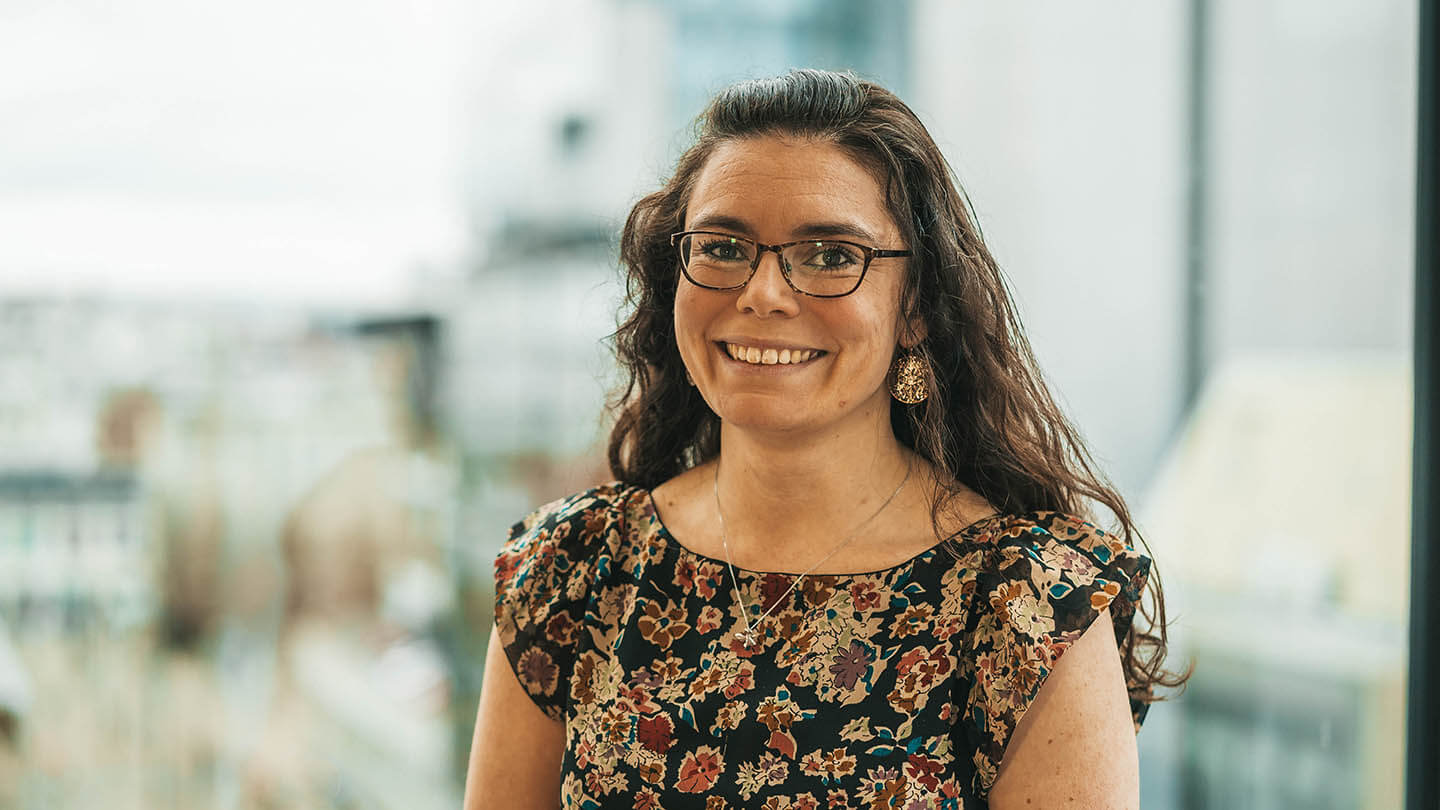
The recently appointed president of the Association of Personal Injury Lawyers (APIL) tells NLJ about some of the challenges and positive changes she has seen in her career so far
What was your route into the profession?
I was interested in the law from an early age. I wanted to find a job in which I could help others and make a difference to people’s lives, and being a lawyer was a way of doing that.
I went to a secondary modern school and a sixth form college in the East Midlands. I did A-levels in English literature, French and history, and applied to university to study law. I was offered a place at the University of Sheffield and studied there for my undergraduate degree in law, achieving a first-class degree. I then went to Nottingham Law School and achieved a distinction on my LPC.
While at university, I applied for jobs and was offered a number of training contracts. One of them was at Pannone and Partners in Manchester. I loved the idea of moving to Manchester and also working for a firm that had done a lot of ground-breaking personal injury and clinical negligence cases, so I accepted.
Pannone was bought out by Slater and Gordon in 2014, so I have been working for Slater and Gordon ever since. I now jointly head up their abuse and public inquiries team.
What has been your biggest career challenge so far?
I have dealt with many cases of people dying from asbestos-related cancer and illnesses, cases of child sexual abuse and assault, and also I represented half of the bereaved families in the Manchester Arena bombing public inquiry.
I have found all of this work challenging and rewarding, but the Manchester Arena bombing inquiry did give me sleepless nights. The incident was so utterly horrific and the lifelong consequences for those involved have had a huge impact on me.
Which person within the legal profession inspires you most?
I think Lady Hale, former head of the Supreme Court, is a truly inspirational woman, lawyer and human being. Her ability to have humour, humanity as well as a fearsome reputation as an exceptionally talented lawyer is something I greatly admire.
If you weren’t a lawyer, what would you choose as an alternate career?
I absolutely love archaeology. I was actually torn between studying archaeology and law at university. I find it absolutely fascinating imagining how people would have lived thousands of years ago and how things from so long ago continue to be discovered and analysed.
Who is your favourite fictional lawyer?
I loved the series Treme about the New Orleans flood. I loved the female lawyer in that series, Toni Bernette, as she seemed so authentic. She looked like a harassed and overworked lawyer!
What change would you make to the profession?
I have seen so many positive changes over the 20 years I have had in the profession, in terms of the increase in diversity, better work/life balance and more openness around issues such as mental health. I still consider that the judiciary needs to be more diverse and reflective of the society it exists within. There’s still some way to go.
How do you relax?
I run, do a boxing class, and really enjoy watching films or TV shows with my children.
Kim Harrison is principal lawyer and head of operations—abuse law, human rights and public inquiries at Slater & Gordon. She is also president of APIL.


