


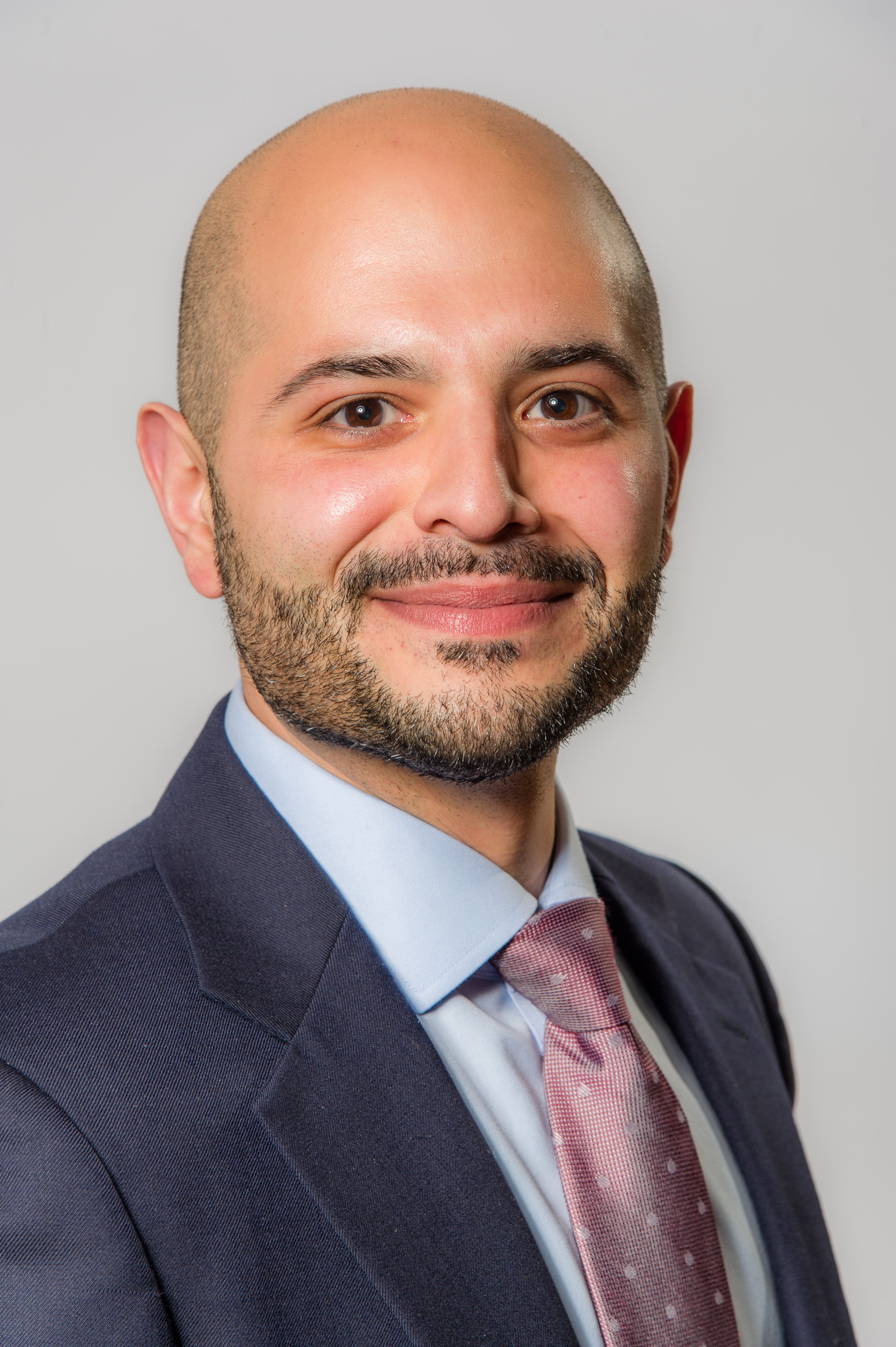
The Bolt Burdon Kemp partner on the challenge of taking Billett v MoD to the Court of Appeal
Ahmed Al-Nahhas is a partner in the military claims team at Bolt Burdon Kemp and was recently appointed chair of Forces Law.
What was your route into the profession?
I completed a law degree at Brunel University with a year in industry that was split between a criminal practice in the East End and a general practice in the City. I was lucky to be offered a training contract by the latter. After Law College in Guildford, I came back to train in the City. I undertook a mix of litigation work, with a focus on personal injury and clinical negligence. I developed a taste for the work and was attracted to Bolt Burdon Kemp because of their reputation in the field. I applied for a position in their military claims team and things have thankfully fallen into place since then.
What has been your biggest career challenge so far?
Billett v MoD. This was a case which went all the way through to the Court of Appeal. There was a lot of interest from the legal profession in the outcome; the scrutiny both before and after the outcome of the case was tricky, whilst at all times I had to manage my client’s expectations. It was a great learning curve for me.
Which person within the legal profession inspires you most?
No one individual. I have been lucky to have worked with some incredible lawyers, solicitors and barristers alike. I have also had some formidable opponents. I try to learn something from everyone I meet, and in this way I feel that everyone I have worked with, or against, has inspired me.
If you weren’t a lawyer, what would you choose as an alternate career?
I’d love to say healthcare, perhaps medicine. My family all work in the NHS, but I don’t think I ever developed the stomach for it. In another life, I think I would have enjoyed being a journalist, travelling and meeting people.
Who is your favourite fictional lawyer?
Paul Newman playing Frank Galvin in The Verdict. Hands down. He is fallible and fearless in equal measure. James Mason plays an equally great but very different lawyer in the same film, and they make interesting adversaries.
What change would you make to the profession?
I would encourage more advocacy experience for solicitors. I think it’s a great help for confidence and analytical skills. But I think there should always be a place for the Bar. I feel that the two sides of the profession need to speak to each other more often and more openly.
How do you relax?
Long walks followed by longer lunches.


.tmb-mov69x69.png?sfvrsn=9a8f1ea9_1)


