


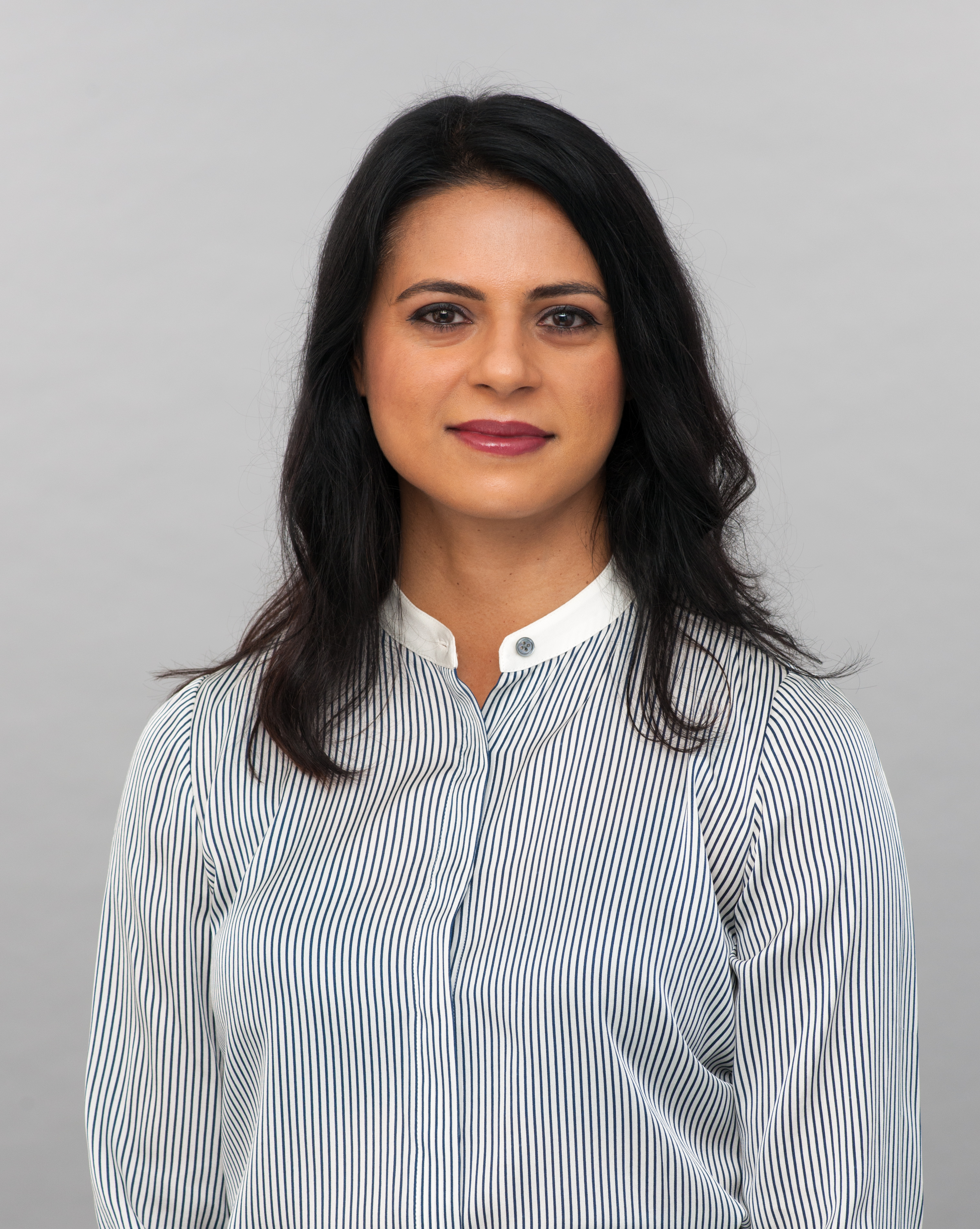
Resolution's newest National Committee member on not taking 'no' for an answer
What was your route into the profession?
I fell into law accidentally having originally read Philosophy for my first degree and subsequently political philosophy for my master’s degree. My thesis was on Edmund Burke and the Rights of Man and I was conceptually very interested in how we develop our notions of civil society and our system of rights and obligations. After my master’s, I had an epiphany that I better earn a living and since I already had very successful older siblings in both medicine and architecture, I plumped for law as a profession in light of my human rights background. From my point of view, discovering family law was like finding a safe harbour which suited my skillset, since I am naturally inquisitive and love to advise and problem solve for my beleaguered clients. Professionally I have never looked back!
What has been your biggest career challenge so far?
I am a second-generation Muslim woman who was born in Liverpool and so there could have been plenty of obstacles and prejudices, but in truth there were none save for those of my own making! I am from a family of strong women and an encouraging father who made sacrifices for his family when he came to this country in the 1960s. My mother and father instilled in all their children a 'can do attitude' and not to take 'no' for an answer, and so that's generally how I conduct my family litigation on behalf of my clients. The true challenge for family lawyers are the cuts to legal aid which have had a devastating impact on the family justice arena—which is now populated by litigants in person and is no longer considered fit for purpose with congested courts and frayed tempers. This has fuelled the recent privatisation of justice with many more private FDRs and Private Arbitrations to bypass the mayhem. Family law needs to fight back to restore a fair process which leads to fair outcomes for all clients.
Which person within the legal profession inspires you most?
My trusted friend and family law colleague Flora Grossman. We have worked together for a number of years and co-headed the family team together at another London firm before joining the private client team at Blake Morgan. Flora has dedicated over 20 years to family law and as well as being a mediator and shrewd financial negotiator, she has worked on some very difficult and heart-breaking children cases where she has fought tooth and nail to make sure the children are prioritised. Flora is my professional compass, anchor and helm—and when you instruct me, you get Flora too on the sidelines (two for the price of one!). I also place Baroness Hale at the top of my list. She is such an incredible role model with a brilliant legal mind who is the first female President of the Supreme Court of the United Kingdom. I heard her speak recently at the Resolution National Conference in Bristol and her incredible intellect and vision was visible for all to enjoy as she gave her keynote address.
If you weren’t a lawyer, what would you choose as an alternate career?
I had a brief spell in TV work a few years ago when I joined Robert 'Judge' Rinder and Jerome Lynch in a pilot series showcasing the work of lawyers in the context of dispute resolution. It never aired but there was a moment when I thought I could become a daytime TV legal pundit! On a more serious note, I would have most likely chosen the life of a therapist or counsellor which is often not too different from what I do anyway.
What change would you make to the profession?
I have recently been voted onto Resolution's National Committee and as a family lawyer I share the vision of my Resolution peers to see no-fault divorce become law and for cohabitees to enjoy proper legal protection. I also recently co-presented a seminar with Dr Brigitte Clark on the problem of UK Islamic marriages which have not been civilly registered in this jurisdiction. The effect on Muslim women can be devastating since without civil registration they do not enjoy statutory protection under the Matrimonial Causes Act 1973—meaning they can be turfed out of their homes and left without maintenance even after what they thought was a long 'marriage'. I want to see these issues addressed but I suspect until we can see the proper restoration of legal aid, many deserving cases will fall by the wayside. Access to justice for all, along with a justice system which reflects the society it represents, in my mind must be the aim of any civilised, democratic society and something which the legal profession still needs to work towards.
How do you relax?
I like doing absolutely nothing with my family when I get the chance. There is nothing more luxurious or underrated!



.tmb-mov69x69.jpg?sfvrsn=2c3eca9_1)

