


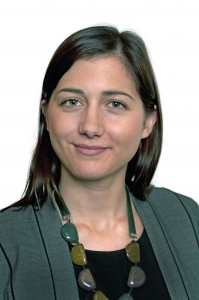
Ronagh Craddock & Sami Halpern talk about their experience of the Justice First Fellowship scheme
The Justice First Fellowship (JFF) allows aspiring lawyers to complete a fully-funded, two-year training contract in a specialist social welfare agency, private practice law firm, or barristers’ chambers. The scheme, funded by the Legal Education Foundation, has gone from strength to strength and by the start of 2018, 51 fellows—46 solicitors and five barristers—will be in working in 40 host centres across the UK. Their work consists of everything from solving everyday legal problems to strategic litigation in high-profile cases before the Supreme Court.
What attracts lawyers to the scheme?
The first thing that appealed to Justice First Fellow Sami Halpern, 27, when he heard about the scheme was that it was an opportunity to get really broad legal training: ‘Plus, there was this idea of creating a community of social welfare lawyers, to bring a buzz back to a sector that’s been repeatedly and relentlessly trampled upon.’
Ronagh Craddock, 27, (pictured). says: ‘I was interested in human rights law and domestic violence issues. When the JFF came up it seemed tailored to my areas of interests.’
What experience have you had so far?
Craddock is one of a small number of fellows placed in a private law firm (the scheme is equally open to firms and the not-for-profit sector). Her firm, Ben Hoare Bell, is one of the leading providers in Newcastle, and former winner of the Legal Aid Lawyer of the Year awards. Craddock suggests her JFF training has given her an advantage in the world of private practice: ‘I've learnt things you don't usually cover, like fund raising and project management. It teaches you not just to be a lawyer, but about how to tackle problems in the sector.’
Halpern, a trainee solicitor at Islington Law Centre, agrees: ‘You get a much more rounded training programme. Training on media and communications equips you to do creative work.’
The Fellowship’s project development strand is particularly appealing to Halpern. ‘It has enabled me to grow and develop, and bring a broader element to my training. My project is on transgender rights and I aim to deliver a drop-in service offering members of the trans community advice on housing, employment, and discrimination issues.’
Halpern previously worked at a mental health charity in Manchester, and says the experience he gained there has been useful in his law centre work: ‘It’s very hands on. Being a not-for-profit we see people who have exhausted all other options. Private practice is very different, and while you have to be aware of financial considerations, here allows you more scope to help those in desperate need.’
‘With the JFF you feel a part of something bigger,’ he adds. ‘You’ve strong links to other lawyers, firms, and organisations, and as the scheme grows so too does the possibility to link in with those organisations. That is beneficial because you form new partnerships. It’s a special feeling to be part of this movement. Lots of places haven’t been able to bring in new blood but the JFF has brought in new faces and energy. You’ve got some really talented people who are now qualified and the next batch of hosts contain groups like Liberty – all of which raises JFF’s profile.’
What advice would you give those thinking about applying to the Fellowship?
‘Go for it. There is a substantial movement developing. The cohorts keep coming and we are given everything you could want to forge a career. Yes, there are challenges but equally there is the knowledge that you are helping some of the most vulnerable people obtain results that can change lives.,’ says Halpern.
Craddock agrees but adds that prospective trainees should go with their eyes open. ‘You need to have a real view of what the situation is working in social welfare law. The JFF is absolutely incredible and so needed. There are huge social mobility problems in the profession and wages are a big issue in the sector. It can be challenging if you don’t have a support structure. The work, however, is absolutely brilliant and one of the big bonuses is that you get so much responsibility at such an early stage.’


