


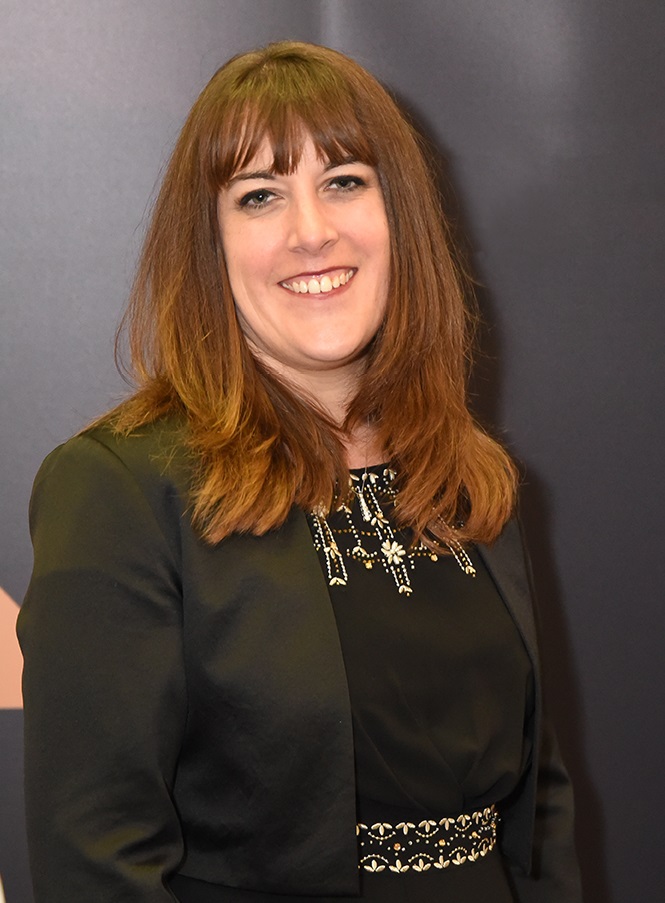
The new CILEx CEO discusses the challenge of creating a new governance structure for the professional body
The Chartered Institute of Legal Executives (CILEx) has appointed Linda Ford as its new chief executive officer.
What was your route into your current role?
There was no deliberate plan to pursue the career I have, it has happened organically through matching my strengths and skills with opportunities that have arisen.
I started my career working in further education, specifically in the design and delivery of part-time and distance learning provision, which included early versions of e-assessment. I then moved into the police service, where I spent several years project managing national projects on public protection, trust and confidence and professional standards, working alongside the CPS, HMCTS and the Home Office. After that I spent eight years in healthcare regulation at the General Optical Council, focused on professional standards and education. CILEx, as an education provider, awarding body, professional association and approved regulator, enables me to bring all the areas of my experience into one.
What has been your biggest career challenge so far?
Creating a new governance structure for CILEx. Effective from January 2018, CILEx will separate out its duties to the public interest, the profession and independent regulation, which means that it is prepared should the government choose to make legal regulators entirely independent.
Which person within the legal profession inspires you most?
No one individual specifically although, having studied via the distance learning route I appreciate how difficult this can be when also juggling work and family life. Every day I meet CILEx members who are doing just that - pursuing qualifications and enhancing their career in what are sometimes very challenging personal circumstances. It is the dedication and commitment of these individuals that constantly inspires me.
What would you choose as an alternate career?
From a young age I always wanted to be a journalist—I have an inquisitive mind and think I would enjoy the variety of meeting different types of people from all walks of life.
Who is your favourite fictional lawyer?
I was always rather partial to Martin Shaw as Judge John Deed. I liked his no-nonsense approach.
What change would you make to the profession?
To remove all of barriers to entering the profession. In particular, I would like to see a change of attitude amongst some in the legal sector about title or status so that there is a greater recognition of competence and value added. Ultimately, I want to ensure that our members have the confidence and ambition to pursue a range of career opportunities, such as judicial appointment, making partner, gaining practice rights or setting up entities or ABS’s. I want the sky to be the limit!
How do you relax?
I enjoy family life although often it can be just hectic as my work, I am at my most relaxed when I'm somewhere hot enjoying stunning beaches, eating amazing food (especially anything spicy) and exploring different cultures.


.tmb-mov69x69.png?sfvrsn=9a8f1ea9_1)


