


It was completely accidental. I left school without A-levels and later realised that had been very silly so went to evening classes to do them late. I could only get there one night a week but took a dislike to the tutors of the class I’d signed up for so looked to change to another. Law was the only feasible option so I enrolled and was astonished to discover it was not a dull and dusty subject at all but was fascinating. I decided I wanted to be a lawyer but was told this was impossible without a degree. Not taking that advice for granted I did my own research, discovered what was then ILEX (now CILEx) and joined them. I qualified as a Fellow five years later back in 1990.
What has been your biggest career challenge so far?
I have a habit of making things difficult for myself. I set myself the target of qualifying as a Fellow within the then minimum period of five years. This meant I had to sit all my Part 2 exams in the same sitting which was quite tough alongside a full-time job, and also, I discovered, previously unheard of. The judicial application process is very competitive and demanding. I was diagnosed with cancer just before the final selection days for the two competitions I had entered last year so to get through those was a challenge. I count myself very fortunate to have emerged with appointments in three jurisdictions. The challenge now will be to fit them and my existing role as a Road User Charging Adjudicator into my 'day' job.
Which person within the legal profession inspires you most?
There are far too many to name them all. I have learned from every lawyer with whom I have worked and continue to do so. My first employer, the late David Skitch, was a great inspiration and set me on my path.
If you weren’t a lawyer, what would you choose as an alternate career?
I was completely aimless when I fell into law and I really can’t imagine doing anything else. But if I’d had to, I suspect it would have involved paperwork of some sort and perhaps figures; for some reason I really like working with numbers.
Who is your favourite fictional lawyer?
So many again! Somehow, I read AP Herbert long before I was involved in law and I’ve always loved Rumpole too. (I was pathetically star struck when Sir John Mortimer was a guest speaker at an ILEX function.) Contemporaneously, William Benson in the John Fairfax books is a wonderful character but I think the lawyers in the TV series Blind Justice have had the most impact. The timing was such that it formed the foundation for my personal sense of ‘justice’ and the role lawyers play. (And it meant I subjected poor Dame Helena Kennedy to ‘fandom’ when she too was an ILEX guest. No wonder these guests only come once.)
What change would you make to the profession?
Unsurprisingly, make it more much accessible and diverse. That does not mean easier. It means the ability to prove capability should be available to all and not just those who have been to university or can afford to work for next to nothing for periods of time.
How do you relax?
Also unsurprisingly, given my earlier answers, reading and watching fiction; thrillers, comedy and sci-fi mainly.
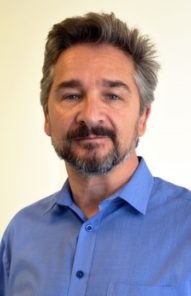
Nick Hanning is a former Chartered Institute of Legal Executives (CILEx) president and council member. He was recently appointed a Deputy District Judge and assigned to the South Eastern Circuit in addition to his current role as a Road User Charging Adjudicator which he began last year.
Nick, a Chartered Legal Executive, has practised in personal injury and employment law for over 30 years. He is currently an independent consultant and specialises in work-related psychiatric injury claims.


