


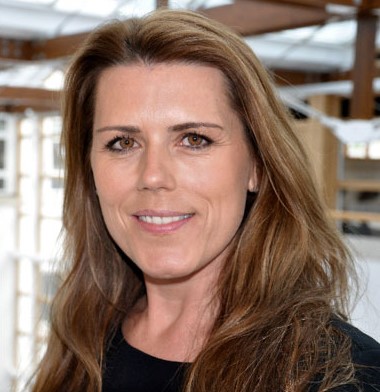
Rachel Spearing on ignoring the naysayers
What was your route into the profession?
I am a product of the Inn’s first diversity schemes developed back in the early 90s! I had no connections whatsoever in the law and am the first and only person in my family to go to university, (as a slightly more mature student due to a catastrophe with my A-Levels). While studying for an LLB at Liverpool University I saw a poster for a Dining Night at Inner Temple; I telephoned and was sent a postal order to help with the train fare to attend.
A Bencher there introduced me to Dame Elizabeth Butler-Sloss. She invited me to marshal in the Family Division during the summer, introduced me to the mentoring and scholarship scheme available—and the rest is history! The Inn and Circuits I’ve belonged to have supported my route to and through the profession; they are a life-blood for education, training and collegiate support, especially for those without connections.
What has been your greatest challenge so far?
Founding and building the ‘Wellbeing at the Bar’ initiative. Six years ago, when I sought to address the growing phenomena of stress, pressure and poor quality of work-life balance at the Bar, ‘critical friends’ suggested raising such challenging issues might ruin my career. Having the courage to drive issues that you know in your heart are right, despite resistance, and finding the right partners to support the initiative has been both the greatest challenge and reward. Careful succession planning means that I can see the initiative continuing to thrive to support the profession in the future.
Which person within the legal profession inspires you most?
Lady Justice Heather Hallett for her untiring support of women, diversity and social mobility within the law. Her background inspires, her warmth encourages, and her honesty prepares those entering and working within the profession. I was also privileged to spend time with Sir Henry Brooke as the 2017 Chair of the Annual Bar Conference. His wisdom within the Bach Report was such a lesson regarding the past, present and future of legal aid.
If you weren’t a lawyer, what would you choose as an alternative career?
Before I was a lawyer I worked in capital markets for a US bank. Realising that my prospects were limited without higher education, I studied in the evenings at Birkbeck College with the intention of returning to work in compliance and governance. I am a strategist, problem solver, and a ‘people person’ so I would have loved to work in risk, management and governance at board level in the City.
Who is your favorite fictional lawyer?
Martha Costello from the BBC drama ‘Silk’: a character who dispels the public’s stereotypical image of a barrister. She’s Northern and even a little brassy, funny, kind, passionate and direct.
How do you relax?
Mindfulness and motorcycling (not at the same time!), respectively regaining peace in a frantic world and cranking up the Harley Davidson to blow away the cobwebs.


