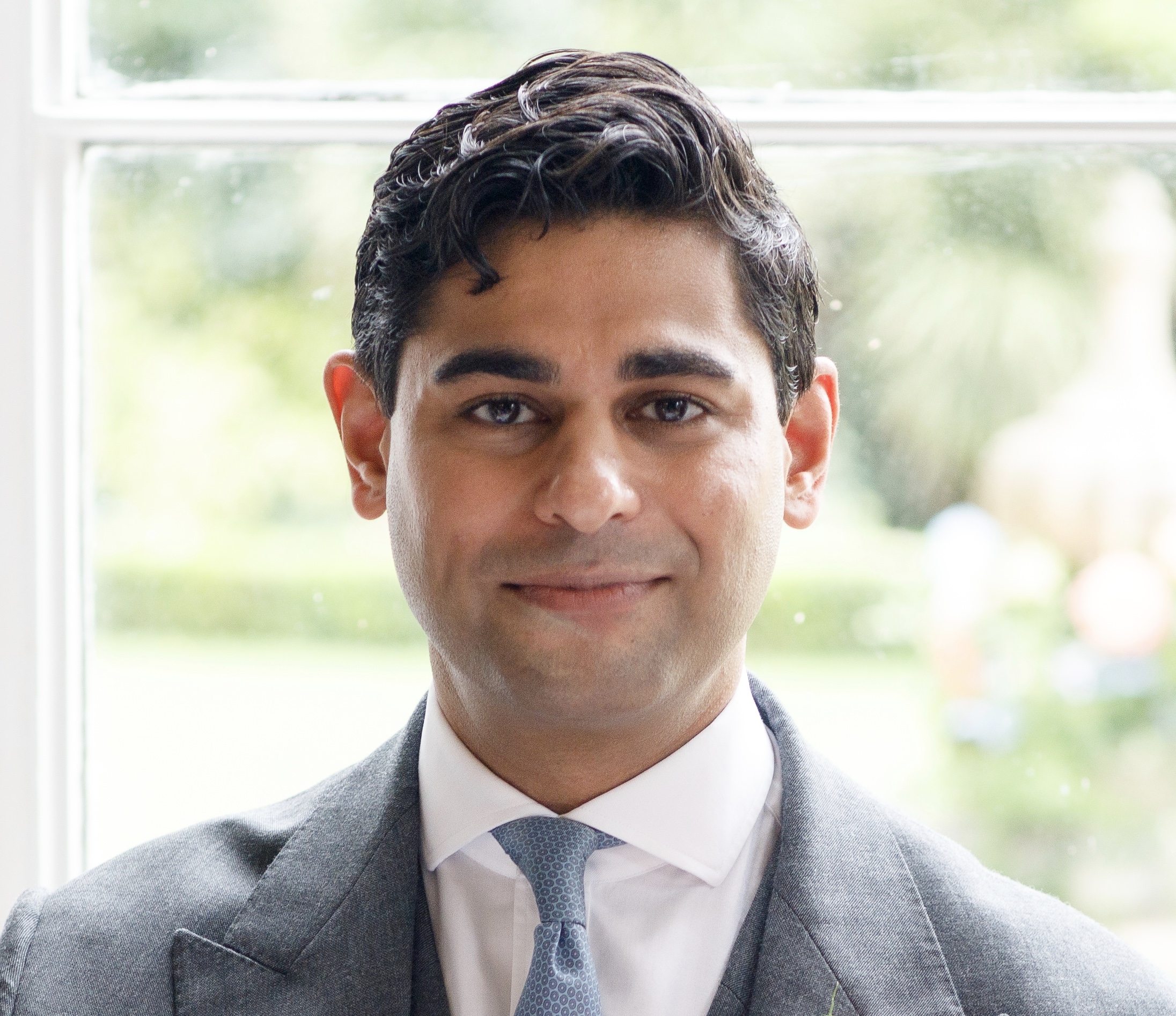
What was your route into the profession?
My route into the profession started with some difficulty. Given terrible predicted A-level grades, I was fortunate to get into a good Russell Group university and soon found that I loved the freedom to write history essays (mostly on seventeenth century British history!). I converted to law at BPP in London and with the benefit of scholarships and lodgings from Lincoln's Inn, undertook the BVC and pupillage. After a couple of years, and following a stint as a judicial assistant in the Court of Appeal while teaching part time, I realised the self-employed Bar was not for me at that time in my life and I moved over to the other side of the profession, learning the skills I would need bit by bit. Having found patient and understanding mentors, I didn't look back and found the space and time (including a sabbatical at Oxford) to develop my interests in multi-party claims, compensation schemes and, what we might call, a purposeful approach to litigation.
What has been your biggest career challenge so far?
I think every case has its own challenges, although the novel ones where you start with a blank sheet of paper, such as the RBS Rights’ Issue Litigation or compensation scheme for Manchester City FC, have provided unique challenges. Beyond cases, I actually think the greatest challenge (and reward) is to try to be true to who you are. For me, that means I try to be honest, hard working and optimistic and to make sure I can bring that to bear for the benefit of our clients.
Which person or persons within the legal profession inspires you most?
I am inspired by colleagues and friends who work hard for their clients and take the time to foster the next generation. My first mentor, Richard Slaven, now at Clyde & Co, taught me far more than he ever intended by his instinctive approach to litigation; the clients who trusted me to learn on the job, most of all Geoffrey Timms, Group General Counsel of Legal & General Plc; and my friend, Debo Nwauzu and others like her, who have led the way and devoted so much of their time to their legal careers—with all of its privileges—they are a real inspiration to non-traditional entrants.
If you weren’t a lawyer, what would you choose as an alternate career?
I admire creativity in others, and try to give it an outlet in my own life. To that end, I think I would choose something creative but where there is some social purpose, like architecture, which I think has a wonderful power to impact lives.
Who is your favourite fictional lawyer?
Oddly, I have never watched or read much involving fictional lawyers, only because I didn't want to get disappointed by the comparative lack of glamour in my own life! It would probably be ‘Judge John Deed’ for his ability to simultaneously be part of the establishment while having lost none of his radicalism to affect people’s lives.
What change would you make to the profession?
As part of the desire for a level playing field, where careers and success are much more closely correlated to a person’s hard work and aptitude, there is a subtle change that we can all make. As the child of immigrants, I was taught that there was no room for mistakes and that I had to work the proverbial ‘110%’ in order to succeed as a non-traditional entrant to a profession that can, sometimes, feel like a closed shop. We each process this pressure when we are young differently, and undoubtedly the pressure has a bigger impact on some rather than others. As leaders in our firms, I feel we have a responsibility to be cognisant of this stress and its impact on those who aspire to the profession but who doubt themselves and we need to take active steps to inspire while giving them the licence to be imperfect and to make mistakes.
How do you relax?
At work and outside, I really enjoy listening to music. Whether classical or discovering new neo-soul artists, I never go a day without listening to music. Aside from that, and avoiding the long-forgotten gym membership, I've recently got into gardening in a big way and am trying to learn the basics. So I would say…music and gardening!