


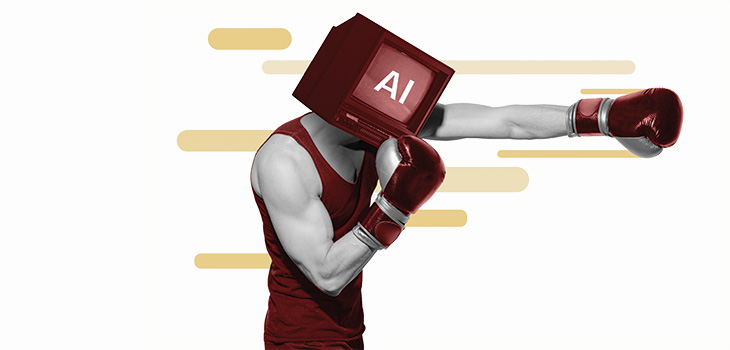
Artificial intelligence (AI) is rapidly transforming sport, from recruitment and training to officiating and fan engagement. Writing in NLJ this week, Professor Dr Ian Blackshaw of Valloni Attorneys at Law explains how AI now influences everything from injury prevention to tactical decisions, with clubs using tools such as ‘TacticAI’ to gain competitive edges
But alongside innovation come serious legal and governance challenges. Blackshaw highlights unresolved questions around data protection, ownership of athlete data, bias and liability when AI systems make mistakes—noting that ‘determining legal responsibility when an AI system makes an error is a complex issue with little clear regulation’.
Financial disparities may also widen as only wealthy clubs can afford advanced systems. While initiatives such as the Olympic AI Agenda aim to promote fairness and integrity, regulation is struggling to keep pace.
Blackshaw concludes that strong governance and human oversight are essential if AI is to support, rather than undermine, sporting integrity.
Issue:
8147
/
Categories:
Legal News
,
Artificial intelligence
,
Sports law
,
Technology
,
Data protection
,
Regulatory
,
Governance
,
Liability
RELATED ARTICLES


