header-logo header-logo

25 October 2024
Issue: 8091 / Categories: Legal News , Family , Diversity , Divorce , Child law
printer mail-detail

NLJ this week: Neurodiversity, divorce & family finance

194060

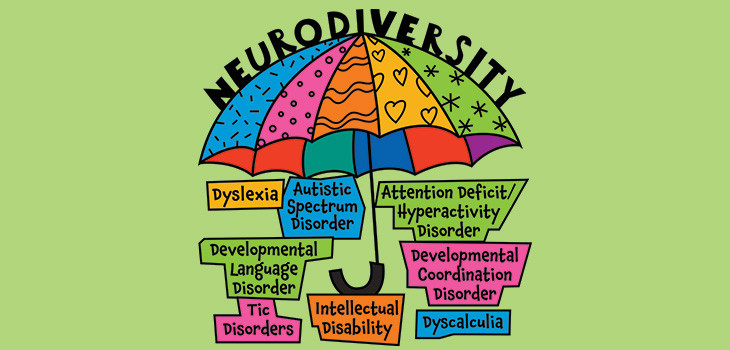
Understanding of neurodiversity has increased in recent years. In this week’s NLJ, Melissa Mitchell, solicitor, The Family Law Company, explores some of the conditions & challenges, as well as their impact on family proceedings 

Mitchell asks: ‘Has the understanding reached the necessary level to ensure that parties’ (or their children’s) neurodiverse needs are taken into account when dealing with the finances involved within divorce proceedings?’

She explains why parenting a neurodiverse child may have an impact on income potential and pension accrual, both relevant when dealing with the finances of a divorcing couple.

Finally, Mitchell explains why it is important family lawyers improve their understanding of neurodiversity and how it may impact their clients’ interests.

MOVERS & SHAKERS

Browne Jacobson—Vicky Tomlinson

Browne Jacobson—Vicky Tomlinson

Browne Jacobson appoints Vicky Tomlinson as Head of Independent Health and Care

DWF—five appointments

DWF—five appointments

DWF further strengthens major injury and casualty offering with new partner and four directors from DAC Beachcroft

Switalskis—Laura Ornsby

Switalskis—Laura Ornsby

Switalskis strengthens Grimsby child care team

NEWS
The Financial Reporting Council’s revised Audit Enforcement Procedure will alter the balance of power in corporate investigations
A telecoms operator may be able to hold over under the Landlord and Tenant Act 1954, yet still be unable to secure a renewal: an outcome described as a legal ‘paradox’

Safety fears do not automatically justify shutting an interested person out of a statutory will application

Consumer credit law is heading for its biggest shake-up in 50 years, with the Consumer Credit Act 1974 set to yield much of its detailed statutory machinery to FCA rules
The Supreme Court has settled a long-running dispute over part-time workers: unfavourable treatment need be a significant or effective cause, not the sole cause
back-to-top-scroll