header-logo header-logo

11 November 2022
Issue: 8002 / Categories: Legal News , EU , Brexit
printer mail-detail

NLJ this week: The high-stakes future of the Retained EU Law Bill

100244
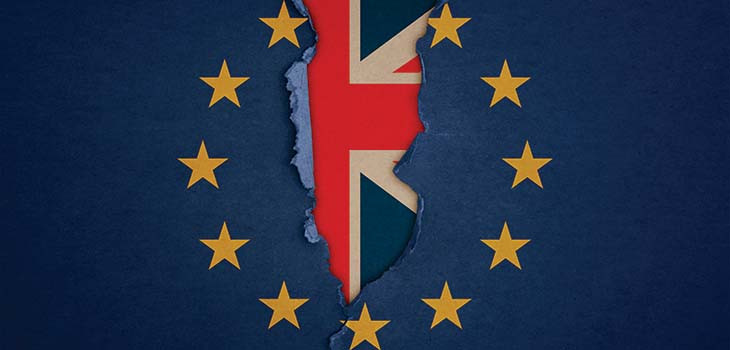
Michael Zander KC reports on the progress of the Retained EU Law (Revocation & Reform) Bill through Parliament, in this week’s NLJ.

The Bill provides for ministers to revoke or modify ‘retained’ EU law through secondary legislation. At stake are large tranches of law (about 2,400 provisions) affecting employment, environmental and consumer protections, agriculture, transport, data protection and much else.

Zander’s incisive article covers the sunset provision and potential for extension, the parliamentary response to date and the potential impact of the legislation on the courts and on ministerial powers.

See here for the full article.

MOVERS & SHAKERS

NLJ Career Profile: Stephen Ward, The Barrister Group

NLJ Career Profile: Stephen Ward, The Barrister Group

From mowing lawns to life at the Bar: Stephen Ward reflects on an unconventional career

Clarke Willmott—Ben Loosemore

Clarke Willmott—Ben Loosemore

Commercial property partner joins Clarke Willmott in Southampton

Ellisons—Robert Tiffen

Ellisons—Robert Tiffen

Robert Tiffen joins Ellisons as Partner in growing Norwich office

NEWS
The Law Society RFC Festival of Sport returns next month, bringing together legal and financial services professionals for one of the sector’s largest annual sporting events
Legal aid deserts leave almost one in four without adequate access to justice
The Solicitors Regulation Authority (SRA) has warned solicitors and law firms that using artificial intelligence does not alter their professional obligations, amid concerns over inaccurate legal material and client confidentiality
From forgotten interest claims to case-management appeals, a string of procedural developments offers useful—and occasionally cautionary—lessons for practitioners

Jonathan Fisher KC highlights that it now accounts for around 40% of criminal offences, with roughly 70% involving technology, and argues that the UK cannot simply prosecute its way out of the problem. Detection, investigation and prosecution all require improvement, while different fraud types demand tailored responses.

back-to-top-scroll