header-logo header-logo

23 October 2019 / Michael Zander KC
Issue: 7861 / Categories: Features , Criminal
printer mail-detail

Operation Midland: a silver lining?

9870
Michael Zander QC on a neglected aspect of the IOPC’s much-criticised report on search warrants obtained in Operation Midland
  • Though widely criticised, the Independent Office for Police Conduct’s report on the Metropolitan Police Service’s handling of Operation Midland contained a series of recommendations which, despite being overlooked, could prove highly useful.

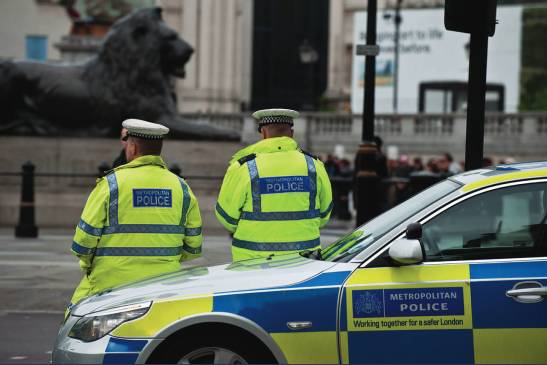
Operation Kentia was the investigation by the Independent Office for Police Conduct (IOPC) of an aspect of the Metropolitan Police’s disastrous handling in its Operation Midland of the lurid claims made by paedophile Carl Beech (aka ‘Nick’). The question was whether three officers had breached the ‘duties and responsibilities’ standard of professional behaviour.

The IOPC’s report, published earlier this month, was widely condemned as a ‘whitewash’, ‘wholly inadequate’ and evidence that the IOPC itself was ‘not fit for purpose’. I do not deal here with those criticisms, which have been extensively canvassed elsewhere. Rather, my purpose is to look at the recommendations made by the IOPC at the end of its report—which have received no attention

If you are not a subscriber, subscribe now to read this content
If you are already a subscriber sign in
...or Register for two weeks' free access to subscriber content

MOVERS & SHAKERS

Gateley Legal—Caroline Pope & Bob Maynard

Gateley Legal—Caroline Pope & Bob Maynard

Construction team bolstered by hire of senior consultant duo

Switalskis—four appointments

Switalskis—four appointments

Firm expands residential conveyancing team with quadruple appointment

mfg Solicitors—Claire Pope

mfg Solicitors—Claire Pope

Private client team welcomes senior associatein Worcester

NEWS
What safeguards apply when trust corporations are appointed as deputy by the Court of Protection? 
Disputing parties are expected to take part in alternative dispute resolution (ADR), where this is suitable for their case. At what point, however, does refusing to participate cross the threshold of ‘unreasonable’ and attract adverse costs consequences?
When it comes to free legal advice, demand massively outweighs supply. 'Millions of people are excluded from access to justice as they don’t have anywhere to turn for free advice—or don’t know that they can ask for help,' Bhavini Bhatt, development director at the Access to Justice Foundation, writes in this week's NLJ
When an ex-couple is deciding who gets what in the divorce or civil partnership dissolution, when is it appropriate for a third party to intervene? David Burrows, NLJ columnist and solicitor advocate, considers this thorny issue in this week’s NLJ
NLJ's latest Charities Appeals Supplement has been published in this week’s issue
back-to-top-scroll