header-logo header-logo

23 June 2023 / Roger Smith
Issue: 8030 / Categories: Opinion , Technology , Profession , Legal aid focus
printer mail-detail

Tomorrow’s lawyers: don’t despair

127514
No matter the advances of legal tech in widening access to justice, there will always be a place for human advisers, as Roger Smith explains

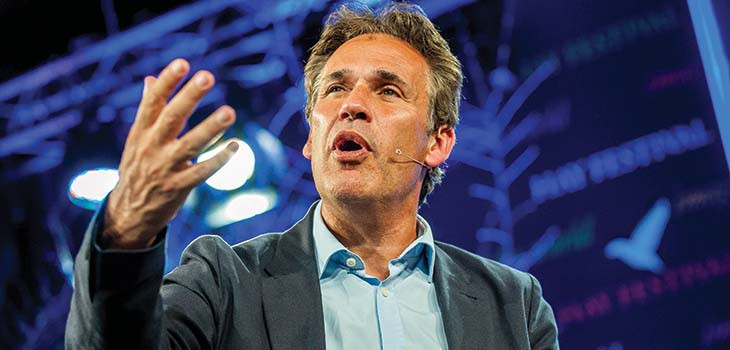
Richard Susskind (pictured) ploughs a straight furrow. He has travelled through The Future of Law (1996), Transforming the Law (2000) and The End of Lawyers (2010). With a study on The Future of the Professions (2015) with his son, Daniel, his writing has even become a bit of a family business. In March, he published the third edition of Tomorrow’s Lawyers: An Introduction to your Future (Oxford University Press, 2023). It all amounts to a solid and commendable body of work. He has battled his way to widespread acceptance of views once seen as extreme. But, perhaps at least in the access to justice field, Professor Susskind’s thoughts might need a little refinement.

Professor Susskind is engaging, polemical and interesting. He is also—on the big issues—right. His main thesis has remained constant. The ‘legal market is in a remarkable state of flux’ (the words

If you are not a subscriber, subscribe now to read this content
If you are already a subscriber sign in
...or Register for two weeks' free access to subscriber content

MOVERS & SHAKERS

Thomson Hayton Winkley—Jordan Wallace

Thomson Hayton Winkley—Jordan Wallace

Thomson Hayton Winkley strengthens family law team

Ward Hadaway—Barnaby Rosenthall

Ward Hadaway—Barnaby Rosenthall

Construction lawyer returns to Ward Hadaway in Teesside role

Bird & Bird—Shahin Baghaei

Bird & Bird—Shahin Baghaei

Bird Bird hires leading legal transformation expert

NEWS
Legal aid deserts leave almost one in four without adequate access to justice
The Solicitors Regulation Authority (SRA) has warned solicitors and law firms that using artificial intelligence does not alter their professional obligations, amid concerns over inaccurate legal material and client confidentiality
From forgotten interest claims to case-management appeals, a string of procedural developments offers useful—and occasionally cautionary—lessons for practitioners

Jonathan Fisher KC highlights that it now accounts for around 40% of criminal offences, with roughly 70% involving technology, and argues that the UK cannot simply prosecute its way out of the problem. Detection, investigation and prosecution all require improvement, while different fraud types demand tailored responses.

How forcefully can a litigant criticise a public authority before robust advocacy crosses the line into unreasonable conduct? 
back-to-top-scroll