header-logo header-logo

31 March 2017 / Sir Geoffrey Bindman KC
Issue: 7740 / Categories: Features
printer mail-detail

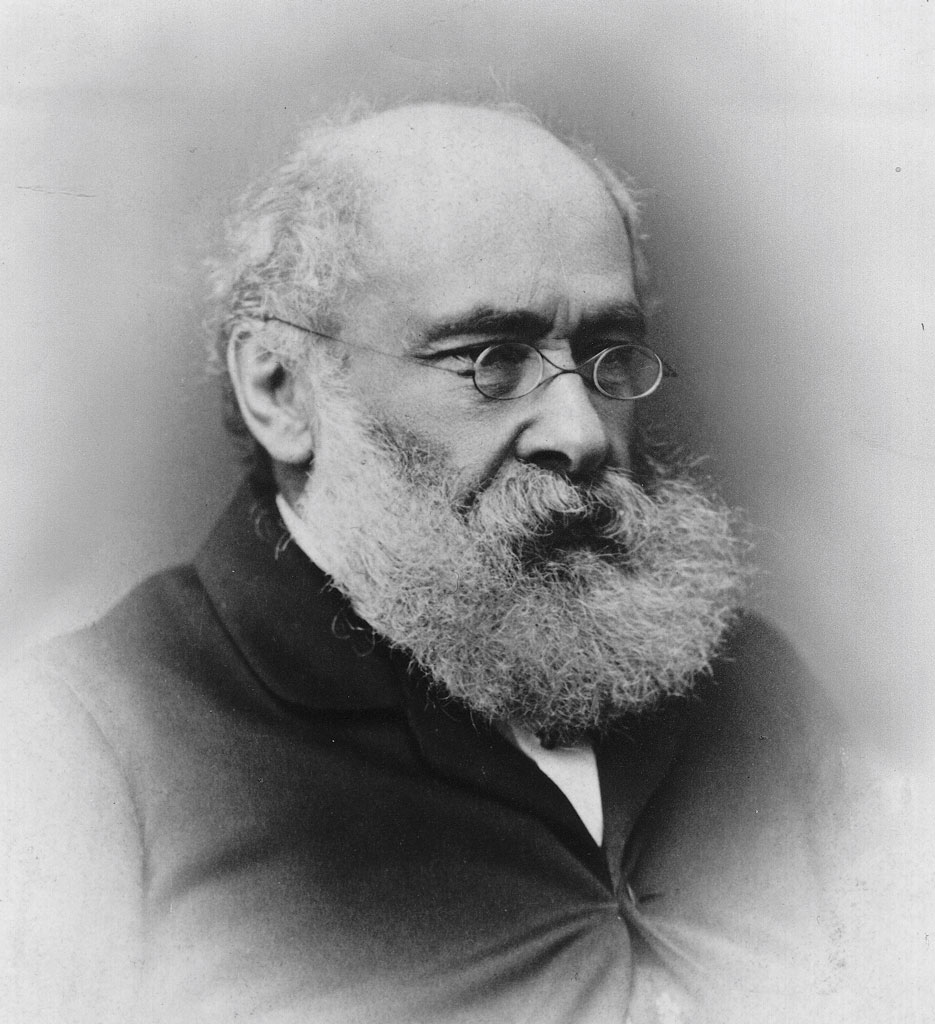
Trollope & the lawyers

nlj_7740_bindman

Geoffrey Bindman QC celebrates Anthony Trollope’s depiction of the legal profession

Biographies of lawyers are notoriously dull. Sometimes their lives are dull. More often professional discretion requires suppression of the juiciest tales. If we want to understand the lives of lawyers in past generations we can learn more from fiction. Anthony Trollope is a wonderful guide to the legal profession in the Victorian era.

Unlike his near contemporary Charles Dickens, who was a solicitor’s clerk in his youth, Trollope never worked in the law, but he saw it at close quarters from childhood. His father was a barrister, a sad failure whose practice in the Temple collapsed, driving him into bankruptcy and the family into abject poverty. The son’s portrayals of lawyers and the law are many and various, full of worldly wisdom and untainted by any cynicism or hostility his father’s experience might have inspired in him.

Trollope’s output was enormous—including 47 novels many of which are very long. I have read only about a dozen. But I have read accounts of

If you are not a subscriber, subscribe now to read this content
If you are already a subscriber sign in
...or Register for two weeks' free access to subscriber content

MOVERS & SHAKERS

Jackson Lees Group—Jannina Barker, Laura Beattie & Catherine McCrindle

Jackson Lees Group—Jannina Barker, Laura Beattie & Catherine McCrindle

Firm promotes senior associate and team leader as wills, trusts and probate team expands

Asserson—Michael Francos-Downs

Asserson—Michael Francos-Downs

Manchester real estate finance practice welcomes legal director

McCarthy Denning—Harvey Knight & Martin Sandler

McCarthy Denning—Harvey Knight & Martin Sandler

Financial services and regulatory offering boosted by partner hires

NEWS
The cab-rank rule remains a bulwark of the rule of law, yet lawyers are increasingly judged by their clients’ causes. Writing in NLJ this week, Ian McDougall, president of the LexisNexis Rule of Law Foundation, warns that conflating representation with endorsement is a ‘clear and present danger’
Holiday lets may promise easy returns, but restrictive covenants can swiftly scupper plans. Writing in NLJ this week, Andrew Francis of Serle Court recounts how covenants limiting use to a ‘private dwelling house’ or ‘private residence’ have repeatedly defeated short-term letting schemes
Artificial intelligence (AI) is already embedded in the civil courts, but regulation lags behind practice. Writing in NLJ this week, Ben Roe of Baker McKenzie charts a landscape where AI assists with transcription, case management and document handling, yet raises acute concerns over evidence, advocacy and even judgment-writing
The Supreme Court has drawn a firm line under branding creativity in regulated markets. In Dairy UK Ltd v Oatly AB, it ruled that Oatly’s ‘post-milk generation’ trade mark unlawfully deployed a protected dairy designation. In NLJ this week, Asima Rana of DWF explains that the court prioritised ‘regulatory clarity over creative branding choices’, holding that ‘designation’ extends beyond product names to marketing slogans
From cat fouling to Part 36 brinkmanship, the latest 'Civil way' round-up is a reminder that procedural skirmishes can have sharp teeth. NLJ columnist Stephen Gold ranges across recent decisions with his customary wit
back-to-top-scroll