header-logo header-logo

UCL: Lady Hale appointed Honorary Professor

18 December 2019
Categories: Legal News
printer mail-detail
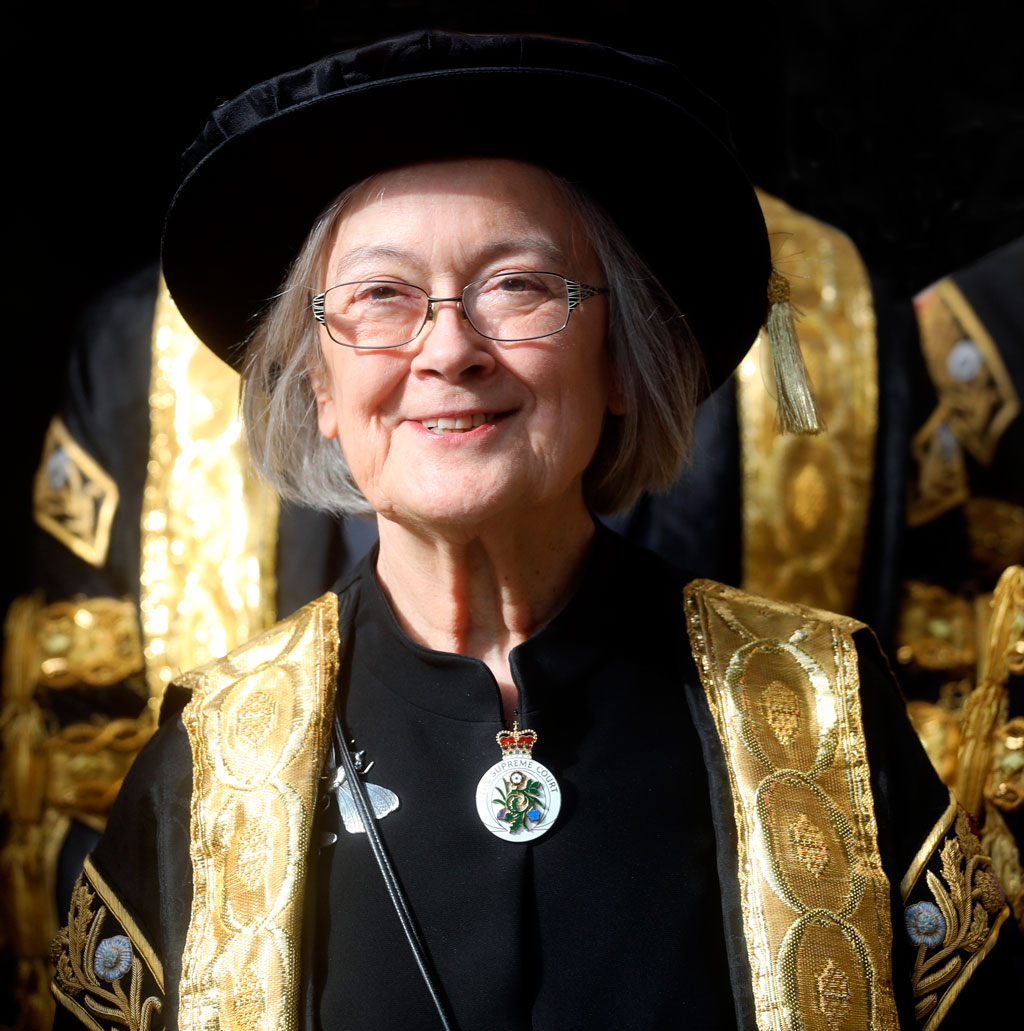
Lady Hale, President of the Supreme Court, has been appointed Honorary Professor at UCL Faculty of Laws

The well-known judge is due to retire from the court in January after more than two years at the helm.

In her new role at UCL, she will take part in teaching, research and public engagement, particularly in her areas of interest such as women’s rights, access to justice and the rule of law. She has, since 2010, been on the advisory board of UCL  Laws’ Judicial Institute―the first and only centre of excellence devoted to research, teaching and policy development to promote understanding of the judiciary and a fair and effective judicial system.

She has a background in academia, teaching law at the University of Manchester from 1966 to 1984 as well as practising at the Family Bar.

‘I am delighted to be rejoining the academic world as an honorary Professor at UCL,’ Lady Hale said. ‘UCL Laws is a ground-breaker in its work on the judiciary and the judicial system and I hope to be able to make a real contribution to that―and one which will have a real impact upon the everyday lives of real people.’

Professor Piet Eeckhout, Dean of UCL Laws, said Lady Hale’s acceptance of the honorary professorship was ‘very exciting news for the university. She has been an exemplary President of the Supreme Court: articulate, determined, fair, and collegiate. Our students and staff will benefit from all of this experience and are extremely excited to have such an inspirational role model in our midst.’

Categories: Legal News
printer mail-details

MOVERS & SHAKERS

FOIL—Bridget Tatham

FOIL—Bridget Tatham

Forum of Insurance Lawyers elects president for 2026

Gibson Dunn—Robbie Sinclair

Gibson Dunn—Robbie Sinclair

Partner joinslabour and employment practice in London

Muckle LLP—Ella Johnson

Muckle LLP—Ella Johnson

Real estate dispute resolution team welcomes newly qualified solicitor

NEWS
Solicitors are installing panic buttons and thumb print scanners due to ‘systemic and rising’ intimidation including death and arson threats from clients
Ministers’ decision to scrap plans for their Labour manifesto pledge of day one protection from unfair dismissal was entirely predictable, employment lawyers have said
Cryptocurrency is reshaping financial remedy cases, warns Robert Webster of Maguire Family Law in NLJ this week. Digital assets—concealable, volatile and hard to trace—are fuelling suspicions of hidden wealth, yet Form E still lacks a section for crypto-disclosure
NLJ columnist Stephen Gold surveys a flurry of procedural reforms in his latest 'Civil way' column
Paper cyber-incident plans are useless once ransomware strikes, argues Jack Morris of Epiq in NLJ this week
back-to-top-scroll