

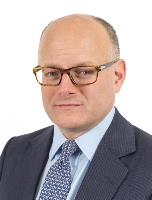
Richard Samuel
Barrister in chambers at 3 Hare Court and an advocacy trainer for Middle Temple and the South Eastern Circuit at Keble College, Oxford. He is co-founder of the International Advocacy Academy (IAA), which runs evidence-taking academies and training courses for civil code advocates active in international arbitration (www.internationaladvocacy.org).
Barrister in chambers at 3 Hare Court and an advocacy trainer for Middle Temple and the South Eastern Circuit at Keble College, Oxford. He is co-founder of the International Advocacy Academy (IAA), which runs evidence-taking academies and training courses for civil code advocates active in international arbitration (www.internationaladvocacy.org).

In a special two-part series Richard Samuel considers Lord Millett’s taste for Marmite: two policy needs & a single response
In a special two-part NLJ series, Richard Samuel considers the history & likely future of the court’s rulings on shareholder action & reflective loss
Richard Samuel considers whether a power to hear pre-recorded direct evidence would help judges maintain high standards of justice
MOVERS & SHAKERS

.tmb-mov69x69.jpg?sfvrsn=3f38efa6_1)
Browne Jacobson—Vicky Tomlinson
Browne Jacobson appoints Vicky Tomlinson as Head of Independent Health and Care

DWF—five appointments
DWF further strengthens major injury and casualty offering with new partner and four directors from DAC Beachcroft

Switalskis—Laura Ornsby
Switalskis strengthens Grimsby child care team
Safety fears do not automatically justify shutting an interested person out of a statutory will application

