

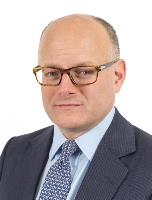
Richard Samuel
Barrister in chambers at 3 Hare Court and an advocacy trainer for Middle Temple and the South Eastern Circuit at Keble College, Oxford. He is co-founder of the International Advocacy Academy (IAA), which runs evidence-taking academies and training courses for civil code advocates active in international arbitration (www.internationaladvocacy.org).
Barrister in chambers at 3 Hare Court and an advocacy trainer for Middle Temple and the South Eastern Circuit at Keble College, Oxford. He is co-founder of the International Advocacy Academy (IAA), which runs evidence-taking academies and training courses for civil code advocates active in international arbitration (www.internationaladvocacy.org).

In a special two-part series Richard Samuel considers Lord Millett’s taste for Marmite: two policy needs & a single response
In a special two-part NLJ series, Richard Samuel considers the history & likely future of the court’s rulings on shareholder action & reflective loss
Richard Samuel considers whether a power to hear pre-recorded direct evidence would help judges maintain high standards of justice
MOVERS & SHAKERS


Clyde & Co—Suriya Ashok
Clyde Co strengthens energy transition and construction offering with hire of Suriya Ashok

Jurit—Nicole Gallop Mildon
Jurit appoints rare dual-qualified lawyer to expand Anglo-French private wealth expertise

Twenty Essex—Thomas Hibbs, Jack Hollingworth & Sam Pearce
Three new tenants join Twenty Essex
Safety fears do not automatically justify shutting an interested person out of a statutory will application

