header-logo header-logo

Bullying at work: the need for reform

13 September 2024 / Thomas Beale
Issue: 8085 / Categories: Features , Employment , Harassment , Abuse , Tribunals
printer mail-detail
188880
Recent high-profile cases have shown the existing laws to address workplace bullying are inadequate, argues Thomas Beale
  • The BBC’s recent Strictly Come Dancing scandal exposes the broader issue of workplace bullying in the UK, highlighting serious gaps in handling misconduct.
  • Organisations must improve and enforce clear anti-bullying policies, ensuring a safe environment and encouraging victims to report misconduct.
  • Current UK laws are inadequate for addressing workplace bullying, underscoring the need for new legislation like the proposed Bullying and Respect at Work Bill.

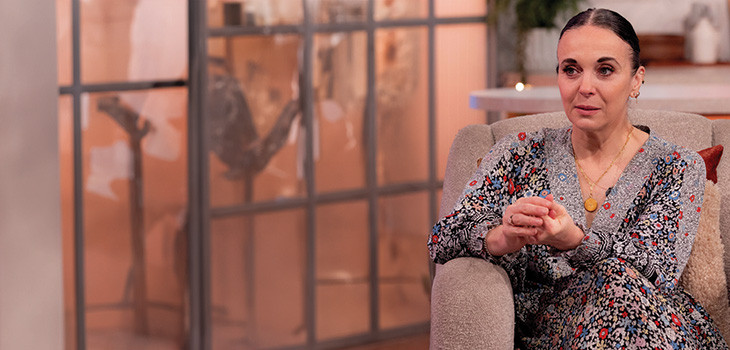
Pictured: Amanda Abbington, who spoke out against Strictly Come Dancing.

Inappropriate workplace behaviour has attracted increased media attention over recent years, stemming from a surge in reported incidents of misconduct. This heightened scrutiny has exposed serious deficiencies in how organisations in the UK handle complaints of workplace bullying.

The BBC is the most recent organisation to face public backlash, following allegations of a toxic and unsafe work environment on the set of one of its most popular programmes, Strictly Come Dancing. Television

If you are not a subscriber, subscribe now to read this content
If you are already a subscriber sign in
...or Register for two weeks' free access to subscriber content

MOVERS & SHAKERS

Pillsbury—Peter O’Hare

Pillsbury—Peter O’Hare

Partner hire bolstersprivate capital and global aviation finance offering

Morae—Carla Mendy

Morae—Carla Mendy

Digital and business solutions firm appoints chief operating officer

Twenty Essex—Clementine Makower & Stephen Du

Twenty Essex—Clementine Makower & Stephen Du

Set welcomes two experienced juniors as new tenants

NEWS
The High Court’s decision in Mazur v Charles Russell Speechlys has thrown the careers of experienced CILEX litigators into jeopardy, warns Fred Philpott of Gough Square Chambers in NLJ this week
Sir Brian Leveson’s claim that there is ‘no right to jury trial’ erects a constitutional straw man, argues Professor Graham Zellick KC in NLJ this week. He argues that Leveson dismantles a position almost no-one truly holds, and thereby obscures the deeper issue: the jury’s place within the UK’s constitutional tradition
Why have private prosecutions surged despite limited data? Niall Hearty of Rahman Ravelli explores their rise in this week's NLJ 
The public law team at Herbert Smith Freehills Kramer surveys significant recent human rights and judicial review rulings in this week's NLJ
In this week's NLJ, Mary Young of Kingsley Napley examines how debarring orders, while attractive to claimants seeking swift resolution, can complicate trials—most notably in fraud cases requiring ‘particularly cogent’ proof
back-to-top-scroll