header-logo header-logo

04 July 2014 / Dr Chris Pamplin
Issue: 7613 / Categories: Features , Expert Witness , Profession
printer mail-detail

Game over?

profession_pamplin

Are experts now able to tackle the ultimate issue, asks Chris Pamplin

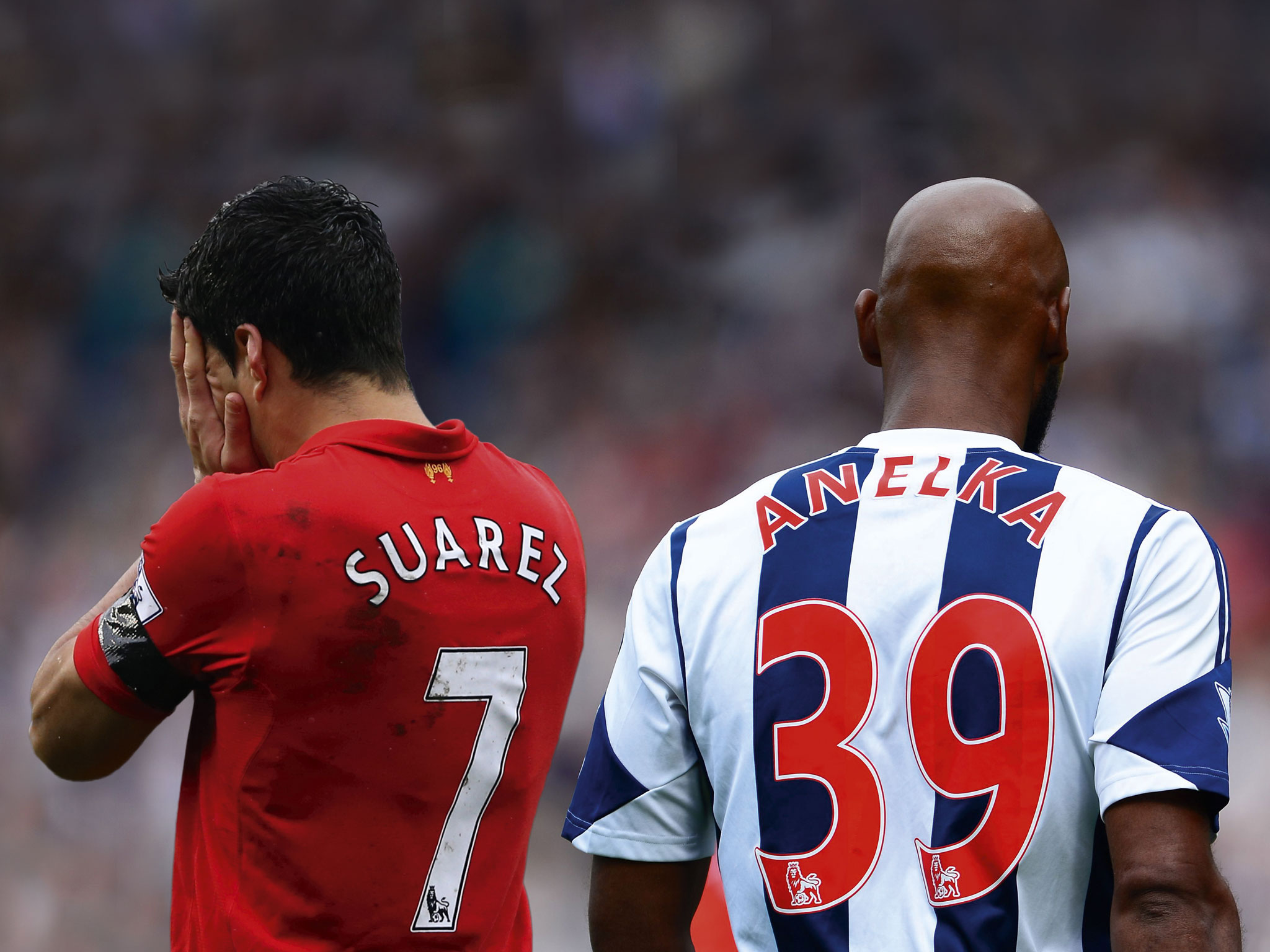
Following FIFA’s finding that Luis Suarez bit Italian defender Giorgio Chiellini in the final match of Group D in the World Cup in Brazil, Uruguay said they would appeal, calling it an “excessive decision” for which “there was not enough evidence”. Suarez has been involved in a number of professional disciplinary hearings before, and his December 2011 hearing before the Football Association Regulatory Commission set out the approach to be followed when considering evidence in such matters—and perhaps surprisingly, footballers’ antics on the pitch serve to illustrate the current state of practice when experts are called to opine on the central issue in a case.

It had long been a rule of evidence at common law that a witness should not give evidence in relation to the “ultimate issue” in a case, because that is a matter for the court to decide and should not be usurped. For some time, however, there has been a steady weakening of the rule against

If you are not a subscriber, subscribe now to read this content
If you are already a subscriber sign in
...or Register for two weeks' free access to subscriber content

MOVERS & SHAKERS

Birketts—Nathan Evans

Birketts—Nathan Evans

Commercial and technology team in Cambridge strengthened by partner hire

Andrew & Andrew Solicitors—Shikha Datta

Andrew & Andrew Solicitors—Shikha Datta

Hampshire firm appoints head of new family department

Latham & Watkins—Sarah Lightdale

Latham & Watkins—Sarah Lightdale

Firm strengthens securities practice with partner return

NEWS

From blockbuster judgments to procedural shake-ups, the courts are busy reshaping litigation practice. Writing in NLJ this week, Professor Dominic Regan of City Law School hails the Court of Appeal's 'exquisite judgment’ in Mazur restoring the role of supervised non-qualified staff, and highlights a ‘mammoth’ damages ruling likened to War and Peace, alongside guidance on medical reporting fees, where a pragmatic 25% uplift was imposed

Momentum is building behind proposals to restrict children’s access to social media—but the legal and practical challenges are formidable. In NLJ this week, Nick Smallwood of Mills & Reeve examines global moves, including Australia’s under-16 ban and the UK's consultation
Reforms designed to rebalance landlord-tenant relations may instead penalise leaseholders themselves. In this week's NLJ, Mike Somekh of The Freehold Collective warns that the Leasehold and Freehold Reform Act 2024 risks creating an ‘underclass’ of resident-controlled freehold companies
Timing is everything—and the Court of Appeal has delivered clarity on when proceedings are ‘brought’. In his latest 'Civil way' column for NLJ, Stephen Gold explains that a claim is issued for limitation purposes when the claim form is delivered to the court, even if fees are underpaid
The traditional ‘single, intensive day’ of financial dispute resolution (FDR) may be due for a rethink. Writing in NLJ this week, Rachel Frost-Smith and Lauren Guiler of Birketts propose a ‘split FDR’ model, separating judicial evaluation from negotiation
back-to-top-scroll