North West law firm appoints two wills, trusts & probate solicitors
Law firm Jackson Lees has recently expanded its wills, trusts and probate team with the appointment of two new solicitors, Rafael Donovan and Barry McDonough.
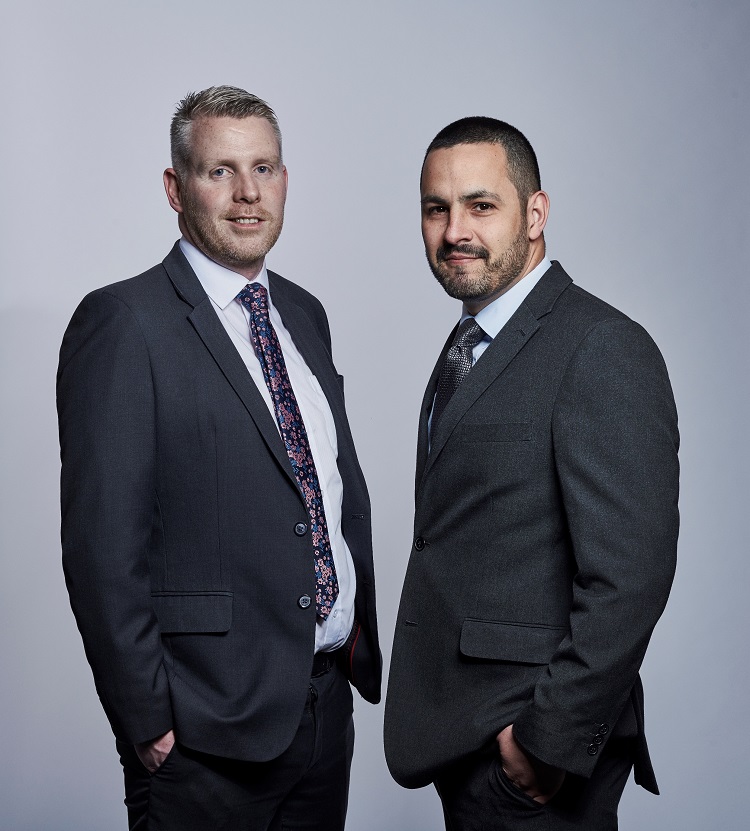
Barry (pictured, left) was appointed as team head and solicitor following six years at Hill Dickinson, dealing with wills, trusts, estates and succession planning for high net worth individuals.
After graduating from the University of Liverpool with a Bachelor of Laws degree, Barry became a paralegal in personal injury, before continuing his studies and attaining a Master’s in business finance and law. Switching focus to wills, trusts and probate, Barry then moved to London to get experience in the field as a paralegal before qualifying at Hill Dickinson.
Barry said: 'Since February I’ve settled into my role within the team, and I’m astounded by the level of support from the top, right the way down. In the short amount of time I’ve been at Jackson Lees, I’ve had the opportunity to meet so many people both within my team and in the larger group.'
Joining Barry on the team is Rafael Donovan (pictured, right), who was appointed following two and a half years at MSB Solicitors, where he dealt with wills, trusts, probate and powers of attorney.
The University of Liverpool graduate has previously worked as a mental health support worker, as well as a Citizen’s Advice Bureau volunteer, where he developed a passion for offering legal advice. He went on to achieve a graduate diploma in law (GDL) before taking on the legal practice course (LPC) part-time for two years, while also undertaking road traffic accident (RTA) defendant work to gain legal experience. Rafael went on to complete his training and spent four years at Morecrofts Solicitors.
Rafael said: 'It’s been incredible settling in to such a dynamic team and I’m thrilled to be part of the wider group. Since starting, I’ve thoroughly enjoyed the onboarding process and working with such a great support network. I’m looking forward to watching the team take shape and flourish.”
Esther Leach, Managing Director at the Jackson Lees Group, said: 'We’re thrilled to be expanding such an important focus area for us as we look to bolster our wills, trusts and probate offering. Barry and Rafael have both hit the ground running and we’re very pleased to see them getting stuck in.'