header-logo header-logo

30 April 2015 / Dr Jon Robins
Issue: 7650 / Categories: Features , Legal aid focus , Profession
printer mail-detail

Man the barricades

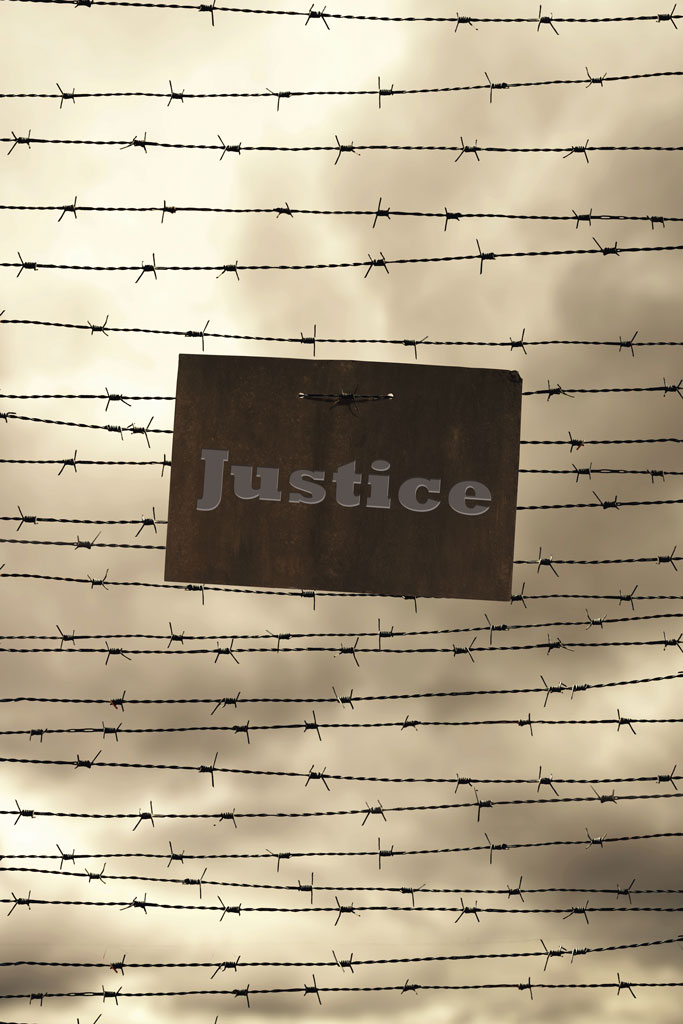
nlj_may_1_backpage

Legal aid may be a tiny backwater of our public services but it holds the key to access to justice, as Jon Robins explains

“Who cares if the high street lawyers who beaver away for little reward are closed down?” asked Sir Alan Moses last week at the Vote for Justice rally in Westminster.

Who indeed? Legal aid was “at the very bottom of concern in this election”, the chairman of the new media watchdog, the Independent Press Standards Organisation, told hundreds of lawyers and campaigners. Sir Alan was one of two former Appeal judges freed from the constraints of judicial office to speak out on behalf of a justice system that was going to hell in a handcart.

Sir Anthony Hooper even called on fellow lawyers at the demo not to vote Conservative (or Lib Dem) because of the legal aid cuts (or rather “endorsed the suggestion”, as the Guardian carefully put it).

Depressing

“I’m completely depressed,” Sir Anthony told campaigners. He began his legal career 30-odd years ago with a

If you are not a subscriber, subscribe now to read this content
If you are already a subscriber sign in
...or Register for two weeks' free access to subscriber content

MOVERS & SHAKERS

NLJ Career Profile: Nikki Bowker, Devonshires

NLJ Career Profile: Nikki Bowker, Devonshires

Nikki Bowker, head of litigation and dispute resolution at Devonshires, on career resilience, diversity in law and channelling Elle Woods when the pressure is on

Ellisons—Sarah Osborne

Ellisons—Sarah Osborne

Leasehold enfranchisement specialist joins residential property team

DWF—Chris Air

DWF—Chris Air

Firm strengthens commercial team in Manchester with partner appointment

NEWS
Contract damages are usually assessed at the date of breach—but not always. Writing in NLJ this week, Ian Gascoigne, knowledge lawyer at LexisNexis, examines the growing body of cases where courts have allowed later events to reshape compensation
The Supreme Court has restored ‘doctrinal coherence’ to unfair prejudice litigation, writes Natalie Quinlivan, partner at Fieldfisher LLP, in this week' NLJ
The High Court’s refusal to recognise a prolific sperm donor as a child’s legal parent has highlighted the risks of informal conception arrangements, according to Liam Hurren, associate at Kingsley Napley, in NLJ this week
The Court of Appeal’s decision in Mazur may have settled questions around litigation supervision, but the profession should not simply ‘move on’, argues Jennifer Coupland, CEO of CILEX, in this week's NLJ
A simple phrase like ‘subject to references’ may not protect employers as much as they think. Writing in NLJ this week, Ian Smith, barrister and emeritus professor of employment law at UEA, analyses recent employment cases showing how conditional job offers can still create binding contracts
back-to-top-scroll