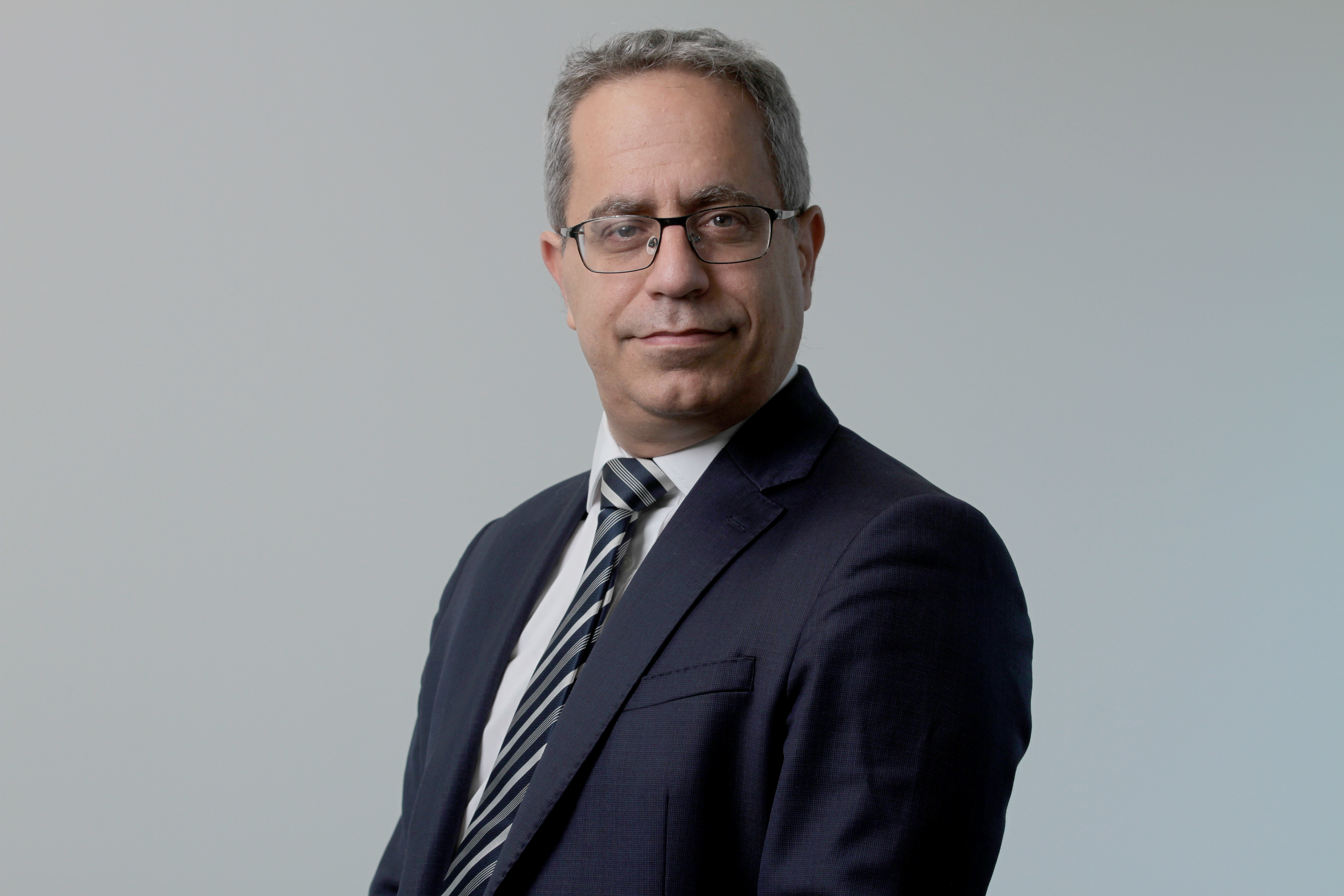
City law firm McCarthy Denning has welcomed Guy Avshalom as its Head of TMT. Guy is a prominent figure in the entertainment industry and has served as General Counsel and Chief Operating Officer of Lionsgate UK for nearly a decade.
With 20 years’ experience structuring and negotiating cross-border deals at the forefront of the media and technology industries, Guy specialises in resolving complex transactional matters as he possesses a unique skill and insight into the interplay between the legal and business worlds. Between 2005 and 2015, as Lionsgate UK’s General Counsel and COO, Guy was responsible for overseeing and negotiating a broad spectrum of international business deals, ranging from M&A, film and slate financing, rights trading and exploitation across all media and territories and partnerships. Guy played an integral role in elevating Lionsgate UK to one of the premier entertainment businesses in Europe.
For the past five years, Guy has focused on advising clients, partners investors and investee companies on M&A and venture financing, ranging from early stage investment through to special reorganisation situations, acquisitions, disposals and commercial deals. Guy holds board positions in several TMT companies which include his role as a deal Partner of Redbus Group’s extensive portfolio of more than 50 companies. He structures, negotiates and delivers all deals within the full lifecycle of venture investments from fundraising to exit.
Of his appointment Guy said: 'McCarthy Denning is a perfect fit as its innovative business model allows me to share my experience and deliver the legal transactional needs of the firm’s clients and partners coupled with strategic legal and business advice. I look forward to working with new partners alongside my existing business activities.'
Warren Wooldridge, Co-founder and CEO of McCarthy Denning, commented: 'Guy’s reputation in the entertainment and TMT industries precedes him and it is with much excitement that we welcome such a respected industry heavyweight. With his track record of securing the best deals for clients and partners, Guy will expand our current corporate and commercial work into the lucrative TMT sectors.'