


What was your route into the profession?
I read classics at university, and wanted a career involving both intellectual challenge and contact with people. I qualified as a solicitor in 1988.
What has been your biggest career challenge so far?
Becoming a judge has been my biggest career challenge so far. I became a full-time judge in 2015 after some years as an academic and then a Law Commissioner; I moved to the Lands Chamber of the Upper Tribunal in 2019 and am also a Deputy High Court Judge. It’s a wonderful job, endlessly interesting and challenging. The court is a bit like a theatre—often very staged and sometimes dramatic; everybody is on trial and at risk, not just the parties but also in different ways the witnesses, the advocates, and even the judge.
Litigation is bad for people because it is stressful and expensive; but for all that, if negotiation fails and mediation is impossible then a well-managed civil trial can be a sort of closure and a way out of conflict. It is a privilege to manage that process, to do what I can to keep it civilised, and to find solutions.
Which person within the legal profession inspires you the most?
I am inspired by all my colleagues in the Lands Chamber of the Upper Tribunal and I learn from them daily.
If you’re asking for an individual, I would have to say Marcus Tullius Cicero, a Roman advocate in the first century BC. The legal profession was not as we now know it but the seeds were there, and Cicero developed the art of oral advocacy, which we need to cherish and preserve in the face of today’s trend towards extensive written submissions. He had the confidence to be succinct: on one famous occasion, an extortion trial, he gave up the right to make an opening speech in order to present the crucial evidence before the trial was timed out by the peculiarities of the Roman calendar, and he won. He had a turbulent career but in the end, after many blunders, he showed great courage amidst constitutional turmoil.
If you weren't a judge, what would you choose as an alternative career?
Musician? No, my music is for fun. Classics teacher? No, I haven’t the skills or the patience; but I taught Latin and Greek to my daughter, who is now a brilliant classics teacher. If pure fantasy is allowed, then I would have liked to be an archaeologist—especially if I could miss out the actual digging and just float into a Roman fort dispensing inspiration and insight.
Who is your favourite fictional lawyer?
I don't really have a favourite, but I enjoy the characters in John Grisham's novels.
What change would you make to the profession?
I would like practising lawyers to have a much bigger voice in law reform. The idea that lawyers encourage conflict is now largely de-bunked; litigators are good at resolving disputes and are best placed to know what will work and what will prevent or provoke litigation.
If practising lawyers were routinely consulted while policy is being formed and before legislation is drafted a lot of problems could be avoided. This is one of the key focuses of the Property Litigation Association, and one of the reasons why I am so pleased to have been appointed their President.
And I would get rid of fancy dress in the courts!
How do you relax?
I am an early music nerd (
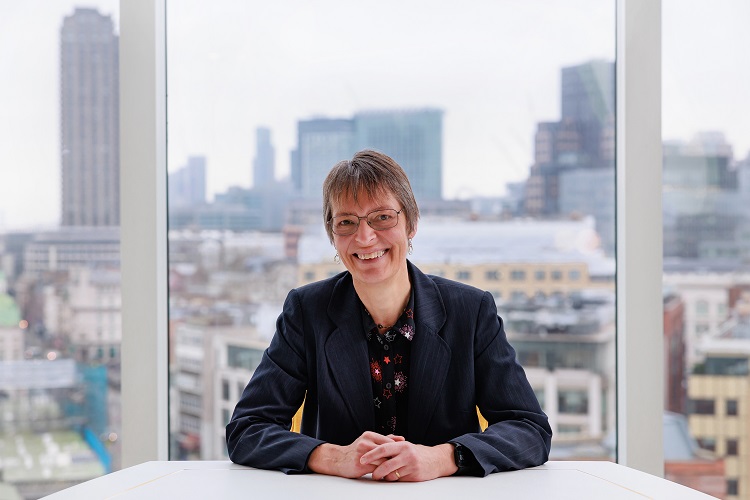
Judge Elizabeth Cooke is the President of the Property Litigation Association (PLA).


