


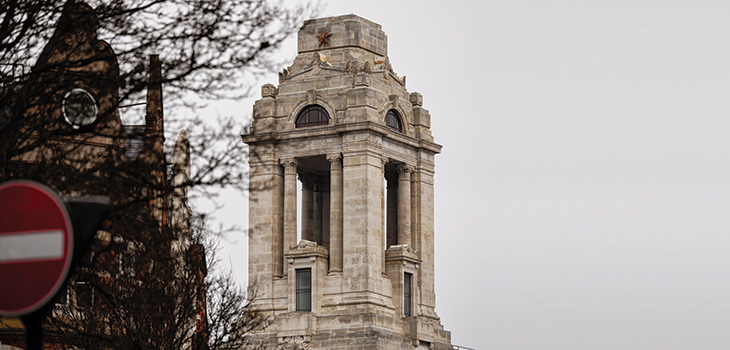
A legal challenge to police disclosure rules has failed, reinforcing a push for transparency in policing. In NLJ this week, Neil Parpworth examines a case where the Metropolitan Police required officers to declare membership of groups like the Freemasons
Critics argued this was intrusive, but the court found the policy justified, noting its aim to prevent ‘actual or perceived bias’. The ‘blanket’ requirement was not disproportionate, given the difficulty of predicting conflicts. Human rights and discrimination arguments also fell away, with the policy framed in neutral terms and serving legitimate aims.
The decision reflects a broader priority: maintaining public confidence. As concerns over hidden influence persist, the ruling signals judicial support for openness—even at the expense of some personal privacy.
Issue:
8154
/
Categories:
Legal News
,
Public
,
Disclosure
,
Judicial review
,
Bias
,
Human rights
,
Discrimination
,
Privacy
RELATED ARTICLES


