header-logo header-logo

13 September 2024
Issue: 8085 / Categories: Legal News , Employment , Harassment , Abuse , Tribunals
printer mail-detail

NLJ this week: Weak laws & the profound impact of workplace bullying

188880

The current law is inadequate for addressing workplace bullying, Thomas Beale, partner & head of the bullying & harassment team at Bolt Burdon Kemp, writes in this week’s NLJ

Beale takes as illustration the latest scandal at the BBC’s Strictly Come Dancing, which is facing allegations of inappropriate behaviour.

While headline-grabbing, the BBC case is but one of many, and workplace bullying often does not come to light at all. Beale highlights the difficulties many victims face, writing how ‘for many, a fear of disbelief or lack of support from their employer can hinder their ability to come forward’.  

He looks at the current law, the obstacles therein, and potential moves to introduce more effective protection. Ultimately, employers have to do better.

Beale writes: ‘The psychological impact on individuals who have faced bullying in the workplace can be profound. In my experience, the most severely affected victims often suffer from long-term psychiatric injuries that have detrimental impacts on aspects of their daily lives, including their capacity to function in a similar workplace setting.’ 

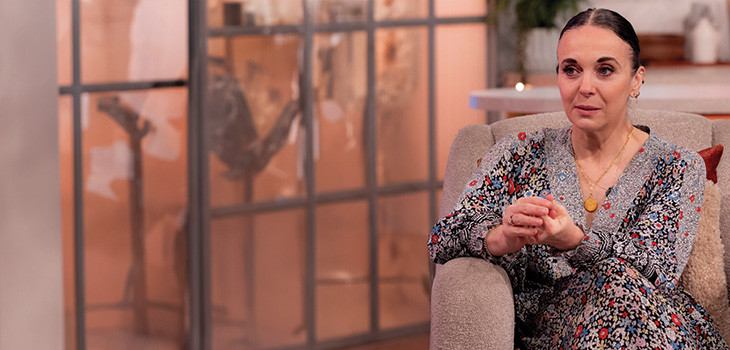
Pictured: Amanda Abbington, who spoke out against Strictly Come Dancing.

MOVERS & SHAKERS

Clarke Willmott—Matthew Roach

Clarke Willmott—Matthew Roach

Partner joins commercial property team in Taunton office

Farrer & Co—Richard Lane

Farrer & Co—Richard Lane

Londstanding London firm appoints new senior partner

Bird & Bird—Sue McLean

Bird & Bird—Sue McLean

Commercial team in London welcomes technology specialist as partner

NEWS
What safeguards apply when trust corporations are appointed as deputy by the Court of Protection? 
Disputing parties are expected to take part in alternative dispute resolution (ADR), where this is suitable for their case. At what point, however, does refusing to participate cross the threshold of ‘unreasonable’ and attract adverse costs consequences?
When it comes to free legal advice, demand massively outweighs supply. 'Millions of people are excluded from access to justice as they don’t have anywhere to turn for free advice—or don’t know that they can ask for help,' Bhavini Bhatt, development director at the Access to Justice Foundation, writes in this week's NLJ
When an ex-couple is deciding who gets what in the divorce or civil partnership dissolution, when is it appropriate for a third party to intervene? David Burrows, NLJ columnist and solicitor advocate, considers this thorny issue in this week’s NLJ
NLJ's latest Charities Appeals Supplement has been published in this week’s issue
back-to-top-scroll