header-logo header-logo

NLJ this week: Latest from Gold

06 May 2020
Issue: 7885 / Categories: Legal News , Procedure & practice
printer mail-detail
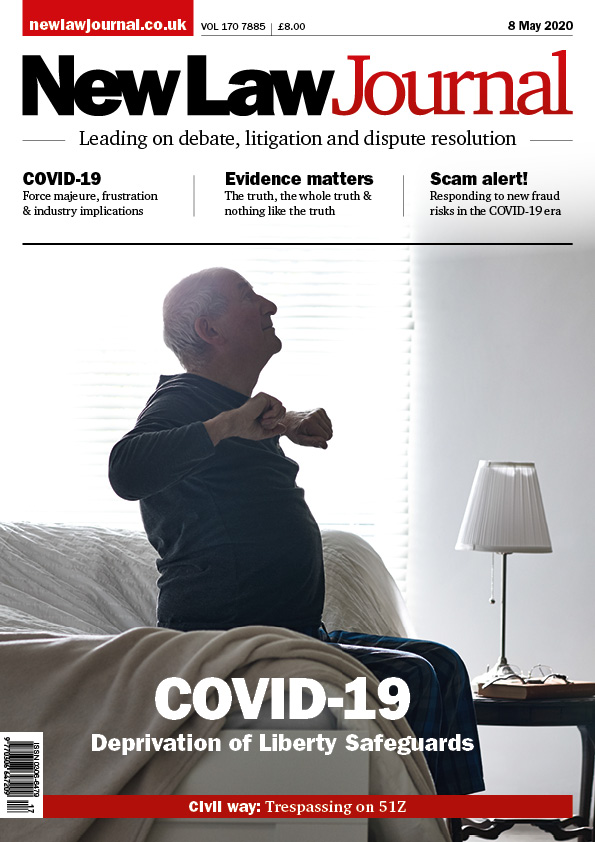
Amendments to civil legal aid will come into force on 15 May, removing the ‘much maligned gateway’ for advice in discrimination, debt and special educational needs and reinstating face-to-face advice in these areas, as well as a small change to the evidence required to prove a person is at risk from domestic abuse and therefore eligible for legal aid, NLJ columnist Stephen Gold writes in the latest Civil Way

DDJ Gold also covers coronavirus regulations on situations where a person leaves home and ‘embarks on some frolic for which there is no excuse’, as well as new rules affecting enforcement agents, release of prisoners and temporary amendment to adoption regulations. For more Gold, see Civil way, 8 May 2020

Issue: 7885 / Categories: Legal News , Procedure & practice
printer mail-details
RELATED ARTICLES

MOVERS & SHAKERS

Muckle LLP—Rachael Chapman

Muckle LLP—Rachael Chapman

Sports, education and charities practice welcomes senior associate

Ellisons—Carla Jones

Ellisons—Carla Jones

Partner and head of commercial litigation joins in Chelmsford

Freeths—Louise Mahon

Freeths—Louise Mahon

Firm strengthens Glasgow corporate practice with partner hire

NEWS
One in five in-house lawyers suffer ‘high’ or ‘severe’ work-related stress, according to a report by global legal body, the Association of Corporate Counsel (ACC)
The Legal Ombudsman’s (LeO’s) plea for a budget increase has been rejected by the Law Society and accepted only ‘with reluctance’ by conveyancers
Overcrowded prisons, mental health hospitals and immigration centres are failing to meet international and domestic human rights standards, the National Preventive Mechanism (NPM) has warned
Two speedier and more streamlined qualification routes have been launched for probate and conveyancing professionals
Workplace stress was a contributing factor in almost one in eight cases before the employment tribunal last year, indicating its endemic grip on the UK workplace
back-to-top-scroll