Law firm
Winckworth Sherwood has announced the promotion of four new partners.
Patti
Russell,
Melina Whitehair,
James Mabey
and Duncan McLuckie
were all promoted to the partnership on 6 April. The firm now has
70 partners and over 373 staff across its offices in London, Oxford and
Manchester.
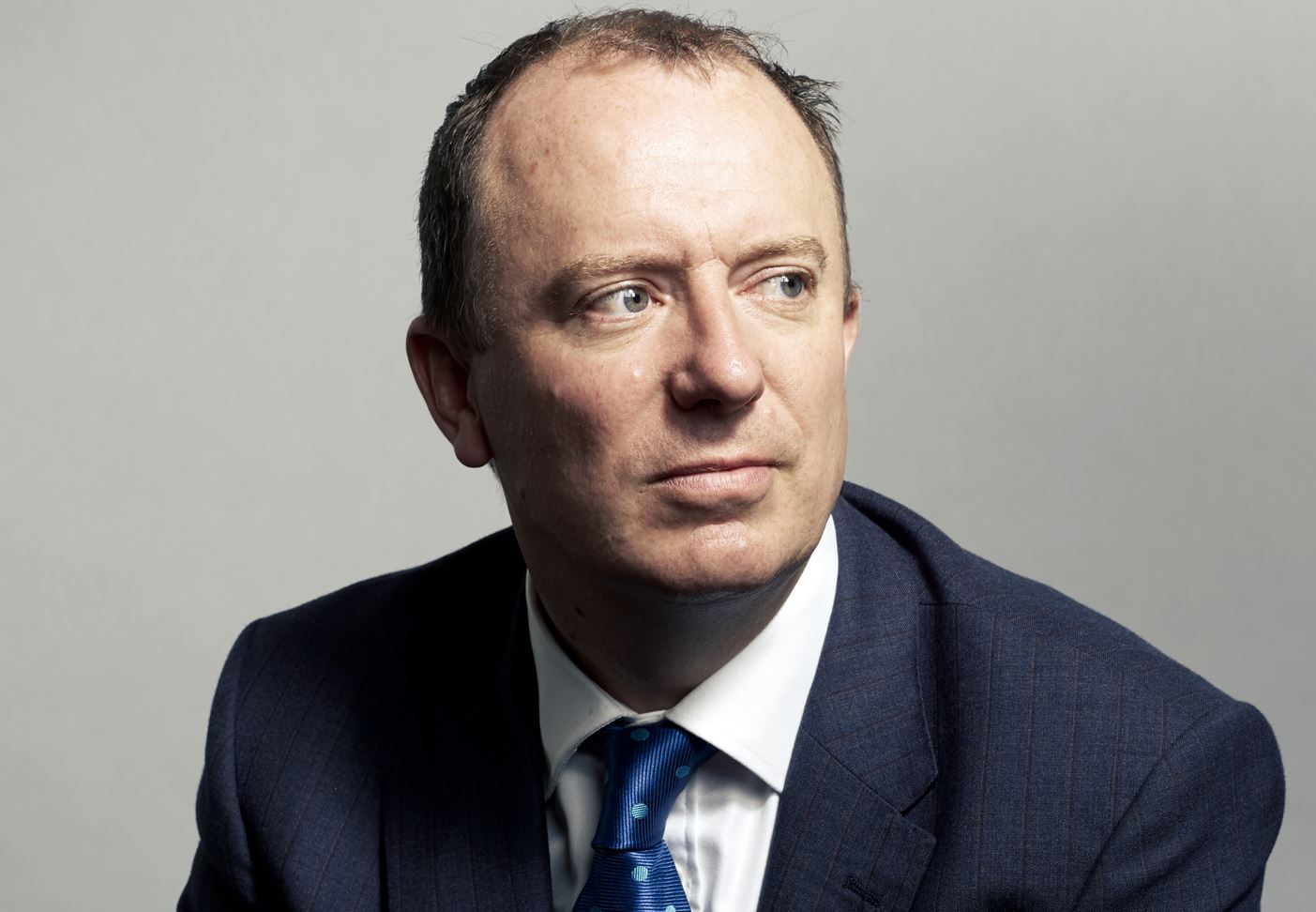
Richard Tinham, managing partner at Winckworth Sherwood (pictured), said: “These promotions reflect the
diverse strength of our business and a commitment to be a market leader in our
core areas. Patti, Melina, James and Duncan have built fantastic practices and
we look forward to seeing them continue to grow.”
Patti
Russell, Ecclesiastical Law
Patti acts
for a wide range of church clients including charities, bishops, members of the
clergy, diocesan boards of finance and cathedral chapters. She has a particular
specialism in safeguarding and is also the Diocesan Registrar for the Diocese
of Canterbury and the Deputy Diocesan Registrar for the Diocese of Rochester.
Melina
Whitehair, Real Estate
Melina
acts for both onshore and offshore investors in all aspects of commercial
property, including acquisitions and disposals, financings, and all landlord and
tenant matters and management work. Her clients include institutional
landlords, ultra high net-worth individuals, property companies, tenants,
lenders and developers.
Duncan
McLuckie, Commercial Real Estate and Licensing
Duncan is one of Winckworth Sherwood’s home-grown talents having trained
with the firm. He specialises in contentious commercial property matters and
dispute resolution. In addition to his general practice he has particular
experience in advising on the Electronic Communications Code and in respect of
disputes involving large cell site portfolios on behalf of telecommunications
providers.
James
Mabey, Private Client
James acts for individuals, trustees and executors on a broad range of
issues connected with wealth management and preservation, frequently working
towards long-term objectives and advising on appropriate structures to pass
wealth down generations. His background is primarily in domestic private
client work but he also has experience working for clients on international
matters.