



Richard Moorhead toys with ethical dilemmas & regulatory barriers
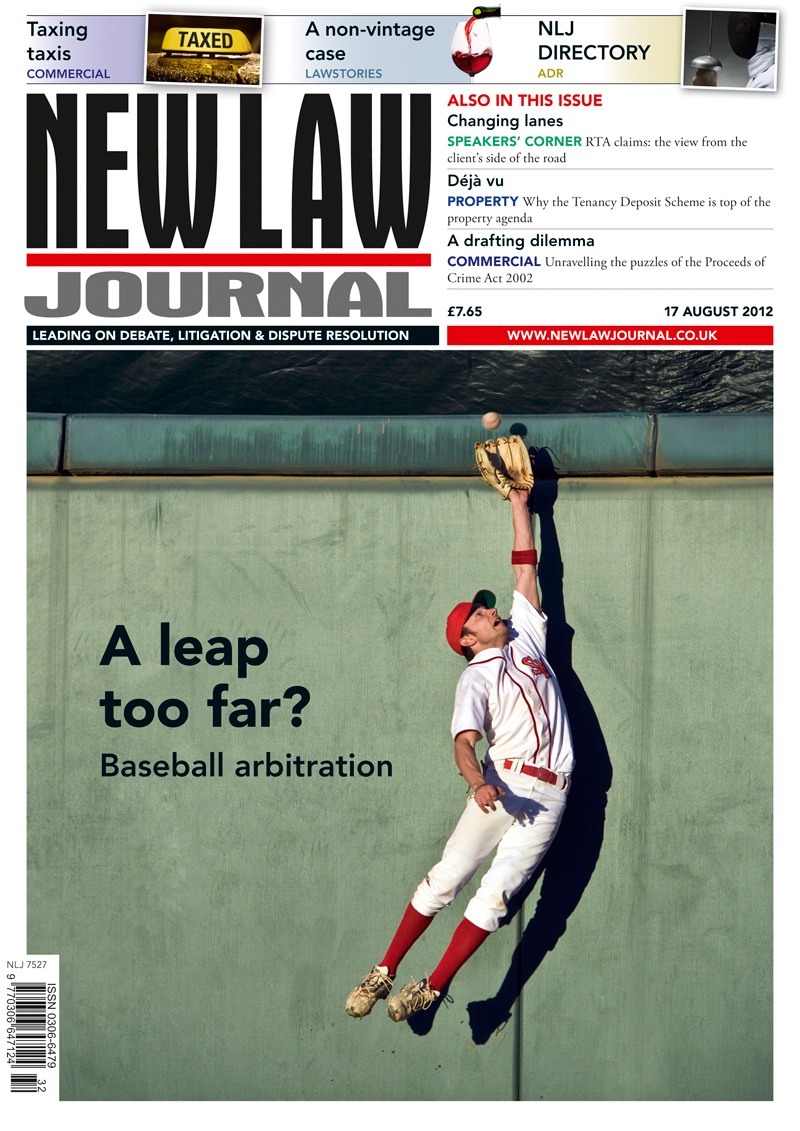
Andy Cottle explains why baseball arbitration may fail to win over the Brits
Peter Whitman debates the pros & cons of selecting your own tribunal
Establishing the proper law of an arbitration agreement is key, says Khawar Qureshi QC
In the final of three articles Margaret Tofalides & Clare Arthurs discuss s 69 arbitration challenges
James Wilson slams state meddling in the taste buds of a nation
Mediation should be the nanny in the nursery of matrimonial disputes, says Paul Tweed
Paul Fisher shares his views on how to avert a pro bono crisis
David Locke reports from the client’s side of the road
Law Society fights bank’s conveyancing panel cull


MOVERS & SHAKERS


NLJ Career Profile: Hugo Plowman, Mishcon de Reya
From global fraud cases to fishing off-grid, Mishcon de Reya’s chair of dispute resolution Hugo Plowman discusses mentors, management switching off

Maguire Family Law—Jennifer Hudec, Ciara Florey, Alice Ferguson & Ruth Wynn
Maguire Family Law announces partner promotion and new hires amid a record year for enquiries

Switalskis—Rebecca Parry & Hannah Gamble
Switalskis wills and probate team extends reach with two appointments

