header-logo header-logo

05 September 2014 / Helen Bell
Issue: 7620 / Categories: Features , Procedure & practice
printer mail-detail

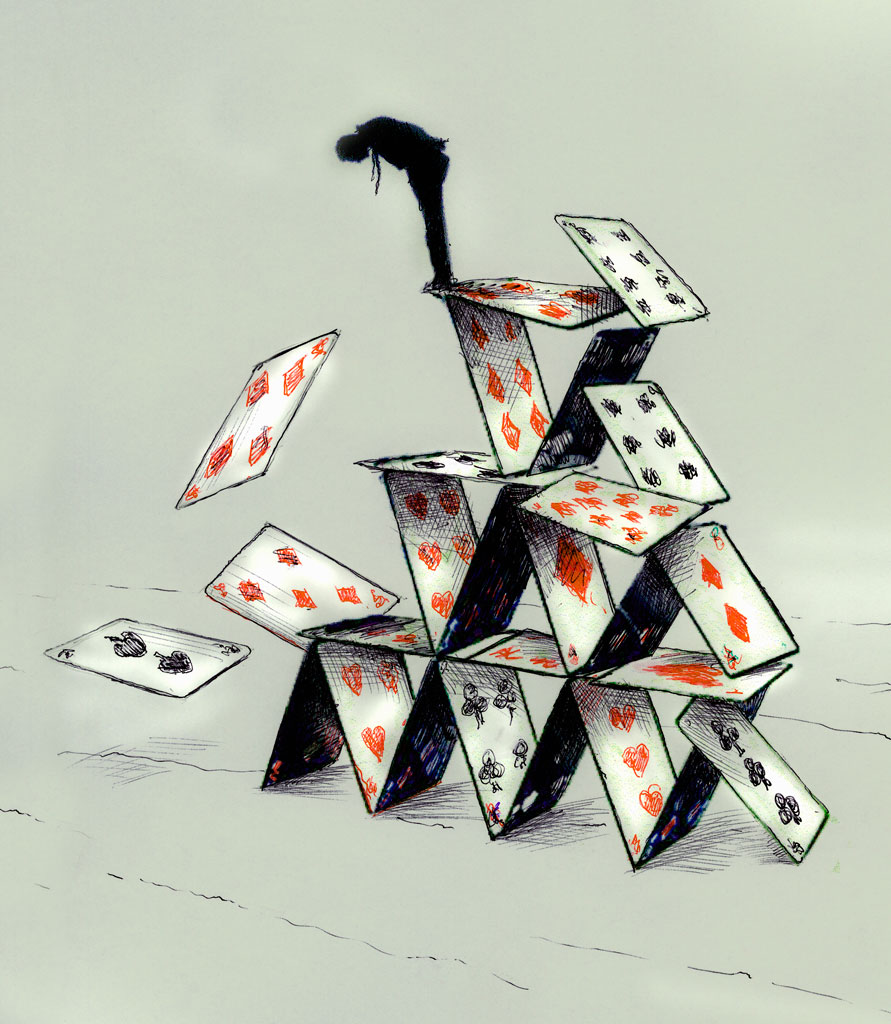
Back to square one?

civil-litigation_bell

Helen Bell provides an analysis of the impact of Denton v TH White Limited

Denton v TH White Limited & others [2014] EWCA Civ 906, [2014] All ER (D) 53 (Jul) was a talking point for all civil litigators. The Court of Appeal (consisting of the Master of the Rolls, Vos LJ and, significantly given the context of the case, Jackson LJ) purported to clarify and amplify guidance previously given by the same court in the now infamous case of Mitchell v News Group Newspapers Limited [2013] EWCA Civ 1537, [2014] 2 All ER 430. As the Court of Appeal in Denton expressly acknowledged, its review of Mitchell was required in order to stem the flow of satellite litigation in the lower courts which had arisen as parties tried to apply the Mitchell guidance in practice.

The facts

Denton v TH White Ltd & others was in fact a conjoined appeal in three cases: D enton v TH White Limited ( Denton ); Decadent Vapours Limited

If you are not a subscriber, subscribe now to read this content
If you are already a subscriber sign in
...or Register for two weeks' free access to subscriber content

MOVERS & SHAKERS

NLJ Career Profile: Stephen Ward, The Barrister Group

NLJ Career Profile: Stephen Ward, The Barrister Group

From mowing lawns to life at the Bar: Stephen Ward reflects on an unconventional career

Clarke Willmott—Ben Loosemore

Clarke Willmott—Ben Loosemore

Commercial property partner joins Clarke Willmott in Southampton

Ellisons—Robert Tiffen

Ellisons—Robert Tiffen

Robert Tiffen joins Ellisons as Partner in growing Norwich office

NEWS
The Law Society RFC Festival of Sport returns next month, bringing together legal and financial services professionals for one of the sector’s largest annual sporting events
Legal aid deserts leave almost one in four without adequate access to justice
The Solicitors Regulation Authority (SRA) has warned solicitors and law firms that using artificial intelligence does not alter their professional obligations, amid concerns over inaccurate legal material and client confidentiality
From forgotten interest claims to case-management appeals, a string of procedural developments offers useful—and occasionally cautionary—lessons for practitioners

Jonathan Fisher KC highlights that it now accounts for around 40% of criminal offences, with roughly 70% involving technology, and argues that the UK cannot simply prosecute its way out of the problem. Detection, investigation and prosecution all require improvement, while different fraud types demand tailored responses.

back-to-top-scroll