


The Bar Council has called for a ‘whole system review’ of criminal justice through a Royal Commission, in written evidence to the Public Accounts Committee’s inquiry into the backlog in the criminal courts
It warned a shortage of courts, judges, court staff and advocates is making it impossible to reduce the criminal cases backlog. There are currently more than 67,000 cases awaiting trial in the Crown Court, which makes the government’s target of 53,000 outstanding cases by March 2025 look precarious.
The bar set out the problems in the system at present and pinpointed nine areas for improvement. These were: early legal advice, early guilty pleas, prison transportation and interpretation services, remote hearings, judicial recruitment, community resolution, scheduling and listing, support for legal aid professionals, and targeted assistance for specific areas and court centres.
Its submission last week highlighted that judicial sitting days are at maximum levels, having reached 107,700 sitting days, and it may be difficult to find enough judges to hear the backlog of cases.
It states: ‘Between 2012-13 and 2021-22, the number of judges (full time employed) in England and Wales has fallen by 4% and the number of magistrates in the same period by 47%.
‘This is not simply a response to declining caseloads; judicial capacity has fallen more steeply than the number of cases in the respective courts in which they operate. Perhaps of even greater impact is the loss of advocates (particularly barristers) available to prosecute and defend the serious criminal cases that are heard in the Crown Court. Between 2019-20 and 2020-21 the number of barristers practising full-time in publicly funded criminal law declined by more than 10%.’
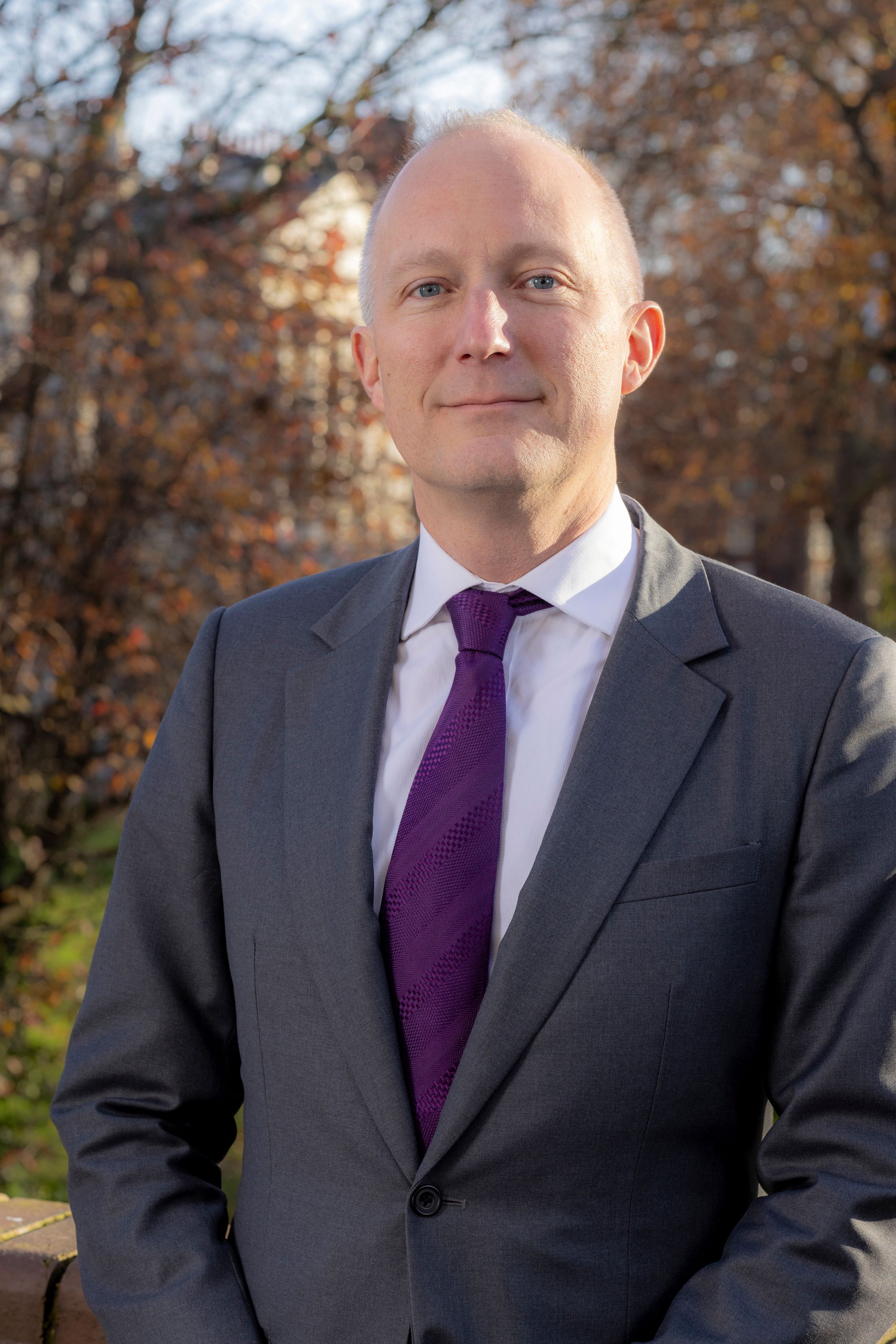
Bar Council chair Sam Townend KC (pictured) said: ‘Existing criminal justice policy is now at a dead end and substantial change and investment are needed to reduce the backlog.
‘The status quo has a detrimental impact on victims, attrition of witnesses, and innocent defendants are left for years languishing with the charges oppressively held over their heads. The guilty are not being dealt with and the public has lost confidence in a system that is just not working.’


