header-logo header-logo

Brexit: the endgame (Pt 3)

15 August 2019 / Michael Zander KC
Issue: 7853 / Categories: Features , Brexit , Constitutional law , EU
printer mail-detail

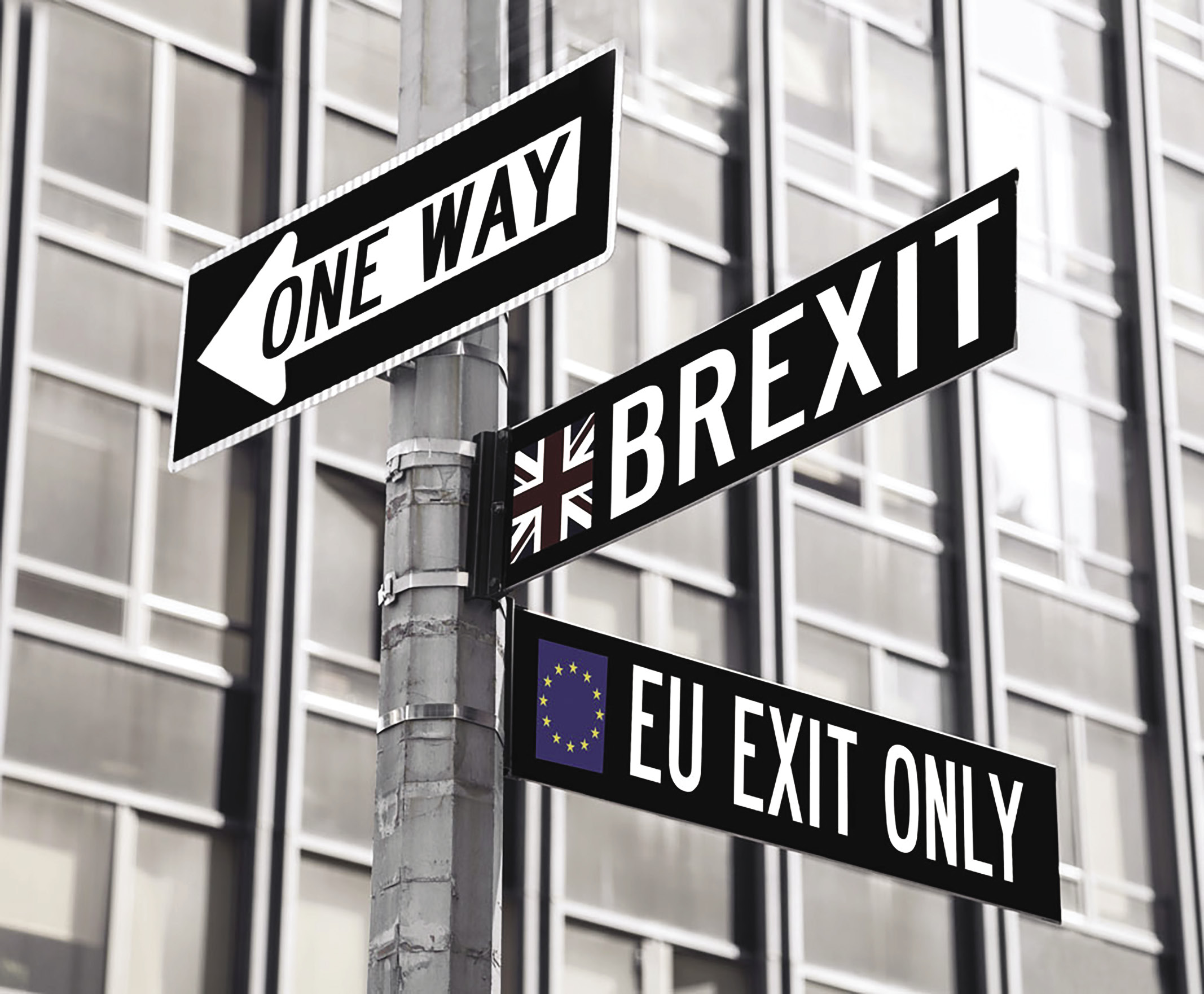
What happens after a No Deal Brexit? Michael Zander QC reviews the Institute for Government’s assessment

  • After a no-deal Brexit, the UK will have to negotiate with the EU as ‘a third country’ under Art 218 of the Treaty on the Functioning of the EU.
  • After a no-deal Brexit, the UK would lose all the trade deals it had as a member of the EU except those that had been ‘rolled over’.

The Institute for Government’s Report Preparing Brexit: No Deal says no one can say with certainty what a no-deal Brexit would mean for the UK: ‘The best guess is locked away on secret computers known as “Rosa Terminals” across Whitehall in the classified documents containing the government’s planning assumptions.’ (p14) Some of those assumptions and plans for handling them would turn out to be wrong. But there were some key issues that could be identified.

A quick & easy deal with the EU?

After a no-deal Brexit, the UK will have to negotiate

If you are not a subscriber, subscribe now to read this content
If you are already a subscriber sign in
...or Register for two weeks' free access to subscriber content

MOVERS & SHAKERS

Bloomsbury Square Employment Law—Donna Clancy

Bloomsbury Square Employment Law—Donna Clancy

Employment law team strengthened with partner appointment

mfg Solicitors—Matt Smith

mfg Solicitors—Matt Smith

Corporate solicitor joins as partner in Birmingham

Freeths—Joe Lythgoe

Freeths—Joe Lythgoe

Corporate director with expertise in creative industries joins mergers and acquisitions team

NEWS
The High Court’s decision in Mazur v Charles Russell Speechlys has thrown the careers of experienced CILEX litigators into jeopardy, warns Fred Philpott of Gough Square Chambers in NLJ this week
Sir Brian Leveson’s claim that there is ‘no right to jury trial’ erects a constitutional straw man, argues Professor Graham Zellick KC in NLJ this week. He argues that Leveson dismantles a position almost no-one truly holds, and thereby obscures the deeper issue: the jury’s place within the UK’s constitutional tradition
Why have private prosecutions surged despite limited data? Niall Hearty of Rahman Ravelli explores their rise in this week's NLJ 
The public law team at Herbert Smith Freehills Kramer surveys significant recent human rights and judicial review rulings in this week's NLJ
In this week's NLJ, Mary Young of Kingsley Napley examines how debarring orders, while attractive to claimants seeking swift resolution, can complicate trials—most notably in fraud cases requiring ‘particularly cogent’ proof
back-to-top-scroll