Devonshires creates PI law firm following merger
National law firm Devonshires has merged its clinical negligence department with pioneering barrister-led firm PI Law Direct to create Devonshires Claims, a specialist clinical negligence and personal injury practice.
The new firm – which is 75% owned by Devonshires Solicitors LLP – is based at its central London offices. The remaining 25% is owned by PI Law Direct’s founders: including 9 Gough Chambers barristers Jeremy Crowther and Adam Dawson, and Malcolm Gordon a solicitor from St Giles Insurance & Finance Services Ltd, who helped create PI Law in 2014.
Devonshires Claims, which opened on May 1, is an alternative business structure (ABS) regulated by the Solicitors Regulation Authority.
It will be led by managing director Nick Grant, previously a partner at Devonshires, with four other representatives from Devonshires Solicitors LLP and three from PI Law making up the board of directors.
Devonshires will provide its back-office support. In total there will be 14 fee-earners at Devonshires Claims: 10 from Devonshires and four from PI Law Direct.
PI Law Direct was an ABS licensed by the Solicitors Regulation Authority and the first barrister-led personal injury law firm where a barrister managed the claim from start to finish.
Devonshires Claims will concentrate on birth injuries and catastrophic injury claims, but will handle all kinds of clinical negligence and personal injury claims.
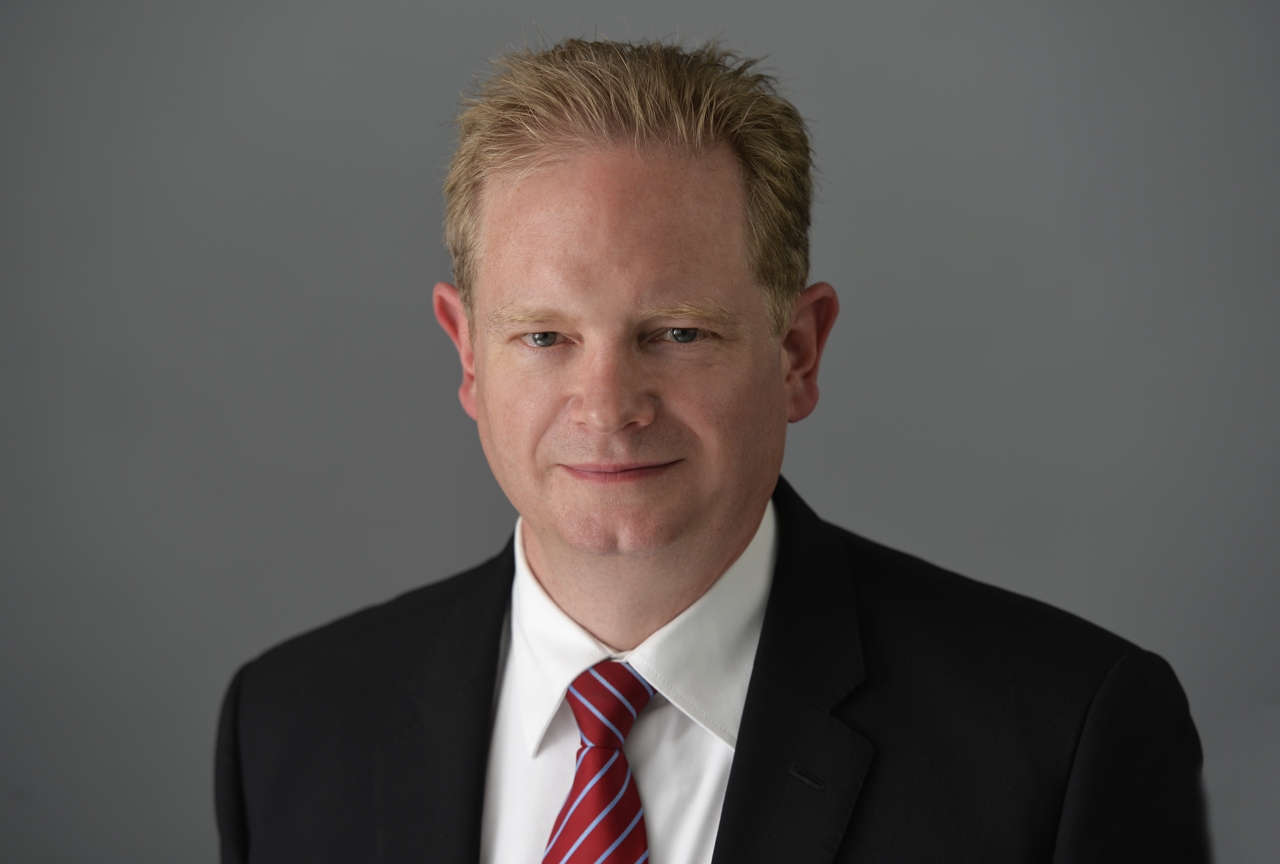
Nick Grant (pictured) says: “Having the expertise of our clinical negligence team with that of PI Law Direct under one roof offers our clients a wide range of legal skills when bringing a claim. When we met with the team from PI Law, it became clear that a merger was the perfect marriage that will help them to handle the large number of referrals they receive. It will also allow us to offer clients the best possible service.”
Malcolm Gordon says: “We are tremendously excited by the opportunity the merger provides as our business grows. We were immediately struck by the synergy between our two teams, and with Nick at the helm look forward to providing unrivalled levels of service to our many clients in the years to come”.