header-logo header-logo

10 December 2015 / Ian Smith
Issue: 7680 / Categories: Features , Employment
printer mail-detail

Employment law brief: 10 December 2015

nlj_7680_smith

Ian Smith provides an overview of some helpful employment decisions from the CJEU

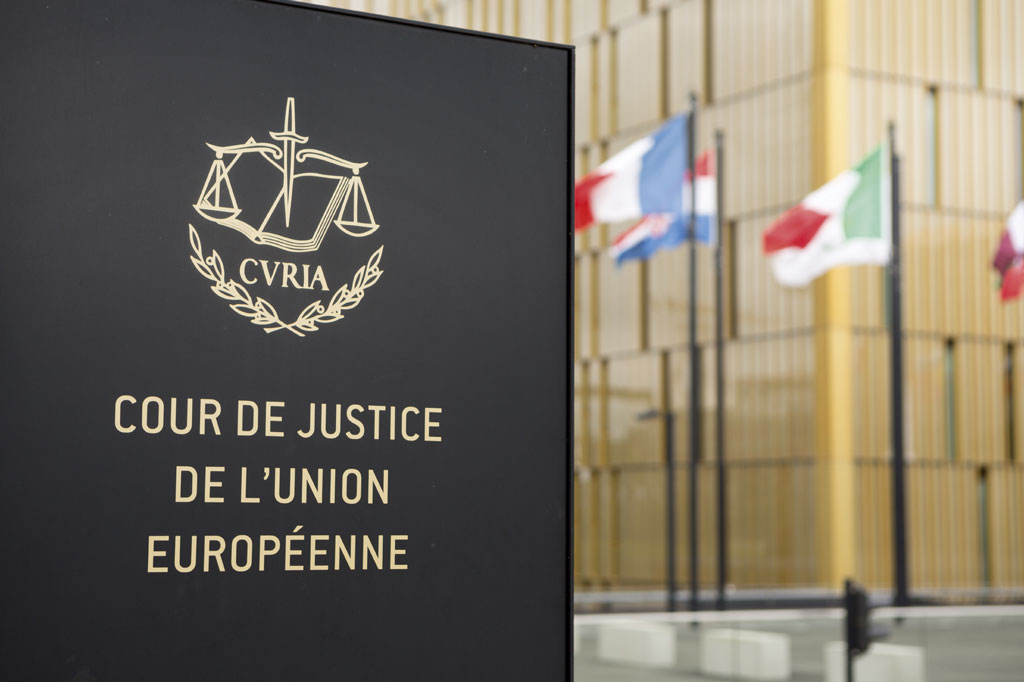
Unusually, this month’s column comprises three decisions of the Court of Justice of the European Union (CJEU) on EU employment law. Equally unusually, they are all quite helpful. The second and third effectively bolster existing UK domestic law, legitimising our longstanding inclusion of constructive dismissals in the law on collective redundancies consultation and stressing the need for a true comparison in cases of direct discrimination (here, age). The first gives further guidance as to how to apply the law on “one-size-fits-all” (copyright Lord Hope) statutory holiday entitlement to the myriad possibilities that can arise; the case specifically concerned the problem of calculation where the employee moves from part-time to full-time working part of the way through the holiday year. The guidance is indeed useful, but here it reinforces a problem (known for some time now) that domestic law may not be easy to square with the growing EU case law.

Greenfield v Care Bureau Ltd

Harvey at CI

If you are not a subscriber, subscribe now to read this content
If you are already a subscriber sign in
...or Register for two weeks' free access to subscriber content

MOVERS & SHAKERS

Bell Yard Kysen—Liz Giles

Bell Yard Kysen—Liz Giles

Bell Yard Kysen appoints senior legal PR and ex-government communications adviser, Liz Giles

Clarke Willmott—Lee Edwards

Clarke Willmott—Lee Edwards

Clarke Willmott boosts Southampton commercial property team with addition of partner Lee Edwards

Lime Solicitors—four promotions

Lime Solicitors—four promotions

Lime Solicitors announces four promotions

NEWS
The Attorney General, Ellie Reeves KC MP, and Solicitor General, Andy Slaughter KC MP, marked the 25th anniversary of Pro Bono Week by joining lawyers, charities, students and parliamentarians at events celebrating voluntary legal work
Witness evidence can be compromised by AI before a solicitor sees the draft, leaving safeguards focused on authorship incomplete
Possession claims are entering a new digital era, with procedural traps awaiting practitioners who assume familiar rules still govern every step
A polished legal defence may owe more to artificial intelligence than legal merit—and creditors risk paying the price in delay and expense
An indemnity costs battle with a £20m gap could reopen an important question: what weight should an approved budget carry?
back-to-top-scroll