header-logo header-logo

17 May 2024 / Neil Parpworth
Issue: 8071 / Categories: Features , EU , Human rights , Profession
printer mail-detail

Lord Denning & the ECHR

172551
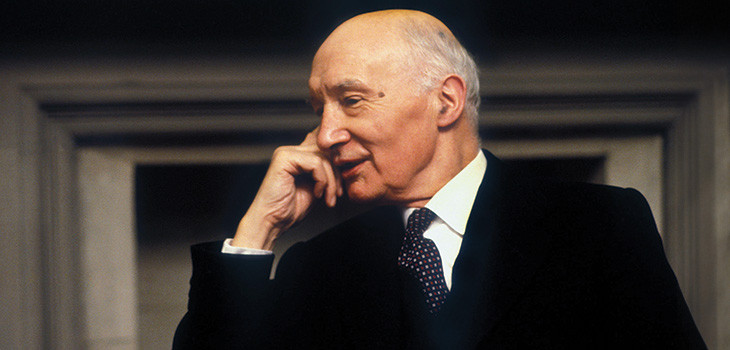
Neil Parpworth discusses the changing views of the eminent judge

Writing in this journal, Malcolm Bishop KC recently produced a timely reminder of the important role which Oxford academics played in drafting the European Convention on Human Rights (ECHR), and how eventually the enactment of the Human Rights Act 1998 (HRA 1998) made it possible to rely directly on its text when challenging the acts or omissions of public authorities (see ‘The ECHR: out of order or out of fashion’, NLJ, 15 March 2024).

While he was, of course, correct to suggest that anti-ECHR sentiments have been heard ‘not only in the hostelries up and down the country but even occasionally in the Inns of Court’, it should not be forgotten that senior politicians including former Deputy Prime Minister Dominic Raab have also voiced criticisms of the ECHR, and the court which acts as its guardian. Indeed, earlier in the same week as Bishop’s article appeared in print, in response to an invitation to commit to the

If you are not a subscriber, subscribe now to read this content
If you are already a subscriber sign in
...or Register for two weeks' free access to subscriber content

MOVERS & SHAKERS

Thackray Williams—Lucy Zhu

Thackray Williams—Lucy Zhu

Dual-qualified partner joins as head of commercial property department

Morgan Lewis—David A. McManus

Morgan Lewis—David A. McManus

Firm announces appointment of next chair

Burges Salmon—Rebecca Wilsker

Burges Salmon—Rebecca Wilsker

Director joins corporate team from the US

NEWS
What safeguards apply when trust corporations are appointed as deputy by the Court of Protection? 
Disputing parties are expected to take part in alternative dispute resolution (ADR), where this is suitable for their case. At what point, however, does refusing to participate cross the threshold of ‘unreasonable’ and attract adverse costs consequences?
When it comes to free legal advice, demand massively outweighs supply. 'Millions of people are excluded from access to justice as they don’t have anywhere to turn for free advice—or don’t know that they can ask for help,' Bhavini Bhatt, development director at the Access to Justice Foundation, writes in this week's NLJ
When an ex-couple is deciding who gets what in the divorce or civil partnership dissolution, when is it appropriate for a third party to intervene? David Burrows, NLJ columnist and solicitor advocate, considers this thorny issue in this week’s NLJ
NLJ's latest Charities Appeals Supplement has been published in this week’s issue
back-to-top-scroll