


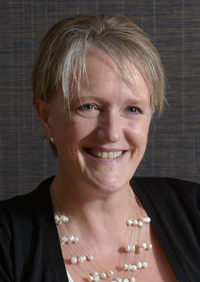
The new ACL chair talks to NLJ about the exhilaration of setting up two businesses & her legal inspirations
Sue Nash, founder of Litigation Costs Services & Omnia Software, is the new chair of the Association of Costs Lawyers.
What was your route into the profession?
I had always wanted to be a solicitor and had a place to read law but ended up reading history instead. I then joined the RAF, leaving after a six-year short service commission, before starting to look into other areas of legal practice. After working for 18 months as a "legal exec" I was fortunate to find a mentor in an "old school" costs draftsman (Ted Samways) who taught me all he knew. I set up in business as a freelance costs draftsman in 1987 and have never looked back!
What has been your biggest career challenge so far?
Setting up in practice—as anyone who has gone down this route knows, it is (in turn) exciting and exhilarating but also very scary! Obviously not scary enough though because in 2012 I set up a second (legal software) business.
Which person within the legal profession inspires you most?
I will always be grateful to my ex-business partner Terry Wisdom who was a founding member of the Association of Law Costs Draftsmen (as it then was) and was the person who believed in (and supported) my vision for a specialist group action practice.
If you weren’t a lawyer, what would you choose as an alternate career?
This is tough! Quite simply I love everything about the law and after 25+ years I am still excited by it, in fact now more than ever given the current costs landscape, but if I had to choose then an event organiser, wedding planner or a politician—any of these would satisfy my inner control-freak!
Who is your favourite fictional lawyer?
No question: Atticus Finch, To Kill a Mockingbird. His deep sense of justice and fairness is what inspired me to enter the law and is exemplified in real life by the many lawyers who undertake legal aid and pro bono work.
What change would you make to the profession?
While the status of costs lawyers has come a long way (it is now a fully regulated profession and costs lawyers enjoy rights of audience), the wider legal profession has been slow to recognise the value and importance of costs specialists. I have no doubt that over time this will change, indeed it has already started, and that we will see costs specialists capitalise on their range of skills to become an integral part of litigation teams but I’d change it today if I could.
How do you relax?
The honest answer is that I rarely do; with running two businesses and being Chairman of the Association of Costs Lawyers there isn’t much relaxation time left but during rare downtime you will find me reading novels and cooking and entertaining for friends and family.
Nominations for the Halsbury Legal Awards 2014, in association with NLJ, are now open. Visit the site to view all the categories and enter online. #Halsbury2014


