header-logo header-logo

20 March 2026
Issue: 8154 / Categories: Legal News , Equality , Legal services , Diversity
printer mail-detail

NLJ this week: Is inequality undermining trust?

244936
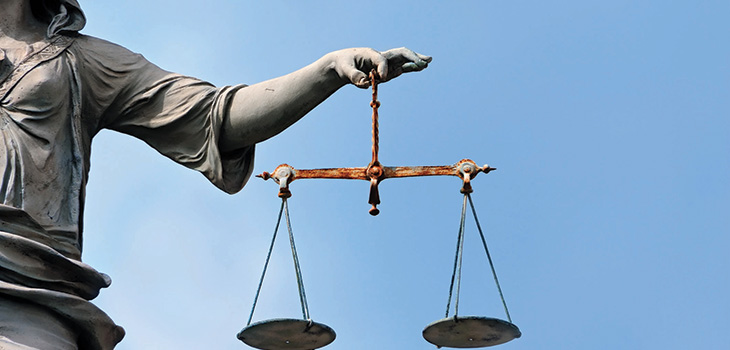
The legal profession’s claim to be a ‘guardian of fairness’ is under scrutiny after stark findings on gender imbalance and opaque progression. Writing in NLJ this week, Joshua Purser of No5 Barristers’ Chambers and Govindi Deerasinghe of Global 50/50 warn that leadership remains dominated by a narrow elite, with men holding 71% of top court roles

The report exposes a ‘reality gap’ between polished diversity statements and entrenched practices, where ‘the same people continue to rise’. Key failings include unequal access, informal promotion systems, and poor data transparency.

The authors argue equity must become a ‘professional standard’, not branding, urging reforms such as transparent criteria and fair work allocation. Without change, they caution, public confidence will erode: justice risks appearing ‘something done to people, not with them’.

Issue: 8154 / Categories: Legal News , Equality , Legal services , Diversity
printer mail-details
RELATED ARTICLES

MOVERS & SHAKERS

Clarke Willmott—Kevin Joynes & Neil Gosling

Clarke Willmott—Kevin Joynes & Neil Gosling

Clarke Willmott bolsters housebuilder expertise in Birmingham

Carpmaels & Ransford—Kevin Cordina

Carpmaels & Ransford—Kevin Cordina

Firm adds former Simmons Simmons patent head to engineering and tech team

ACTAPS—Sally Goodger

ACTAPS—Sally Goodger

Freeths strengthens its voice in national disputes with ACTAPS committee appointment

NEWS
Some employment law controversies never disappear—they merely lie dormant
Artificial intelligence (AI) is transforming legal practice, but its successful adoption depends as much on culture as technology
The fallout from Lord Mandelson’s appointment and dismissal as UK ambassador to Washington raises profound questions about constitutional governance, accountability and political appointments
Pastries may be in the firing line while kebabs escape scrutiny, but the reality is far more nuanced
The Supreme Court’s decision in Dillon highlights a central tension in modern public law: rights may be recognised without being fully realised
back-to-top-scroll