header-logo header-logo

26 January 2024 / Dominic Regan
Issue: 8056 / Categories: Opinion , Profession , Costs , Constitutional law
printer mail-detail

The insider: 26 January 2024

154946
It’s all go in the world of civil litigation, writes Dominic Regan. But what happens when there’s no one at fault to foot the bill?

Nothing stands still in the world of civil litigation.

The elevation last month of Sir Peter Fraser to the Court of Appeal was well deserved and long overdue. His conduct of the notorious Bates and others v Post Office Ltd [2019] civil litigation was brilliant and I think I suggested back then that it alone warranted a place in the Court of Appeal. Fraser LJ is known to his colleagues as ‘Iron Man’ on account of his appetite for triathlons and endurance sports.

The Metropolitan Police has reported it is ‘investigating potential fraud offences’ arising out of the Post Office prosecutions in respect of ‘monies recovered from subpostmasters as a result of prosecutions or civil actions’. The sublime Tom Little KC of Deka Chambers has oversight of this exercise.

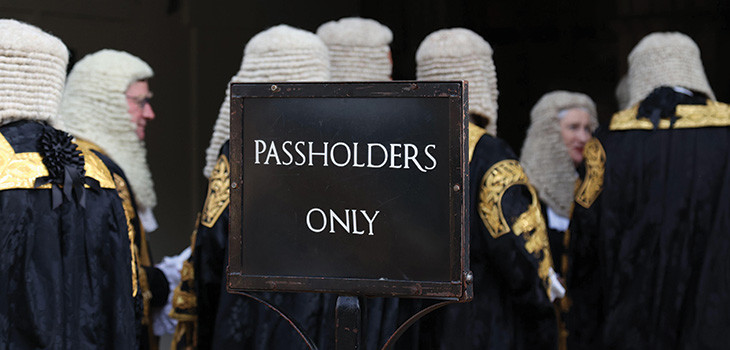
The new wave of King’s Counsel has been unveiled. I naively thought that elevation moved

If you are not a subscriber, subscribe now to read this content
If you are already a subscriber sign in
...or Register for two weeks' free access to subscriber content

MOVERS & SHAKERS

Thomson Hayton Winkley—Jordan Wallace

Thomson Hayton Winkley—Jordan Wallace

Thomson Hayton Winkley strengthens family law team

Ward Hadaway—Barnaby Rosenthall

Ward Hadaway—Barnaby Rosenthall

Construction lawyer returns to Ward Hadaway in Teesside role

Bird & Bird—Shahin Baghaei

Bird & Bird—Shahin Baghaei

Bird Bird hires leading legal transformation expert

NEWS
The Solicitors Regulation Authority (SRA) has warned solicitors and law firms that using artificial intelligence does not alter their professional obligations, amid concerns over inaccurate legal material and client confidentiality
From forgotten interest claims to case-management appeals, a string of procedural developments offers useful—and occasionally cautionary—lessons for practitioners

Jonathan Fisher KC highlights that it now accounts for around 40% of criminal offences, with roughly 70% involving technology, and argues that the UK cannot simply prosecute its way out of the problem. Detection, investigation and prosecution all require improvement, while different fraud types demand tailored responses.

How forcefully can a litigant criticise a public authority before robust advocacy crosses the line into unreasonable conduct? 
Can a meticulously maintained spreadsheet turn a couple’s informal financial arrangements into legally enforceable obligations? 
back-to-top-scroll