

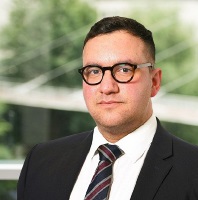
David Bailey-Vella
Costs lawyer
David Bailey-Vella is chair of the Association of Costs Lawyers (associationofcostslawyers.co.uk) & legal director at Pogust Goodhead (pogustgoodhead.com). Newlawjournal.co.uk
Costs lawyer
David Bailey-Vella is chair of the Association of Costs Lawyers (associationofcostslawyers.co.uk) & legal director at Pogust Goodhead (pogustgoodhead.com). Newlawjournal.co.uk

David Bailey-Vella weighs up WhatsApp, ‘the file’, & the modern realities of costs disclosure
David Bailey-Vella breaks down the costs budgeting light pilot
As he takes the reins at the Association of Costs Lawyers, new chair David Bailey-Vella reflects on imposter syndrome, breaking down barriers & surprisingly unrelaxing hobbies
Use of these assessments is on the wane, but a good understanding is as important to practitioners as ever, writes David Bailey-Vella
Has the delicate balance put in place by
Lord Justice Jackson toppled over? David
Bailey-Vella reports on the new landscape
for qualified one-way costs shifting
David Bailey-Vella analyses Roman v AXA Insurance
Show
8
Results
8
MOVERS & SHAKERS


Withers—Sophie Barrett-Brown
Withers drives further growth in its UK immigration team with new partner Sophie Barrett-Brown

Venus Legal—Esther Amoako
Venus Legal invests in next generation of legal talent as specialist litigation practice grows

Fisher Phillips—Catrina Smith
Fisher Phillips continues momentum in London with arrival of Catrina Smith
NEWS
Restrictions on workplace non-disclosure agreements could make settlements slower, more complex and more expensive when reforms expected in 2027 take effect
Private prosecutors face closer scrutiny under Crown Prosecution Service guidance designed to strengthen accountability and consistency when intervention is requested
Foreign states cannot necessarily claim immunity for cyber operations launched abroad against computers in Britain, following a divided Supreme Court ruling
Defendants who make unsupported complaints about their lawyers risk losing legal aid while confiscation proceedings continue without representation
Lawyers advising Russian clients face different sanctions restrictions across the UK, EU and US, despite their shared objective of increasing pressure on Russia
Copyright © 2026 LexisNexis

