



The Bar Council and Criminal Bar Association have called for referral fees to be abolished.
The civil legal aid cuts will have potentially dangerous consequences
The High Court has seen disputes over the sale of businesses multiply five-fold in one year
Ireland must reconsider its laws and policies on abortion after a ruling by the European Court of Human Rights (ECtHR).
Individual lawyers could face fines of up to £50m under new proposals from the Legal Services Board (LSB).
The Ministry of Justice is to continue to champion virtual courts despite evidence published last month which showed that they cost more in the longer term than traditional ones.
Working class accents not welcome at top law firms
Net return price agreements scrutinised in ruling
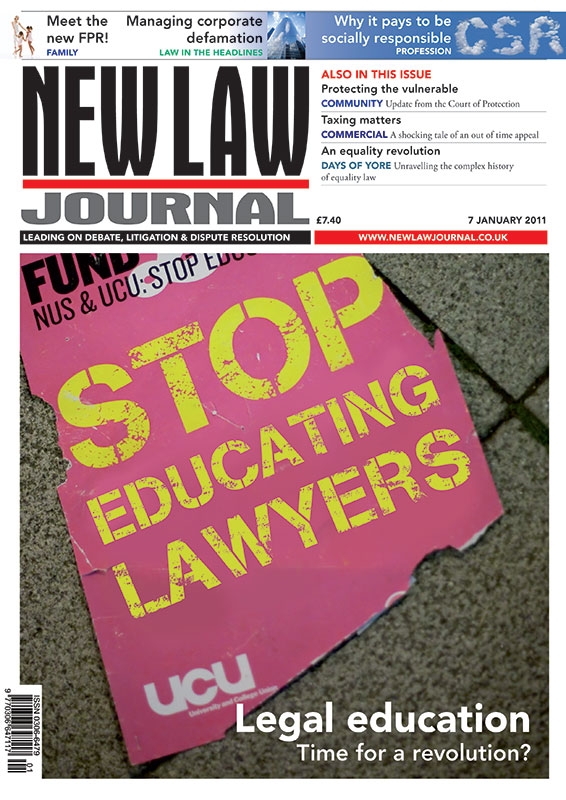
As students take to the streets to protest rising levels of debt, law schools stand accused of treating their students as a revenue stream churning out young lawyers for jobs that don’t exist...
In recent years, there have been repeated calls for reform of corporate defamation law by those who are concerned about its “chilling effect” on freedom of speech

MOVERS & SHAKERS


NLJ Career Profile: Hugo Plowman, Mishcon de Reya
From global fraud cases to fishing off-grid, Mishcon de Reya’s chair of dispute resolution Hugo Plowman discusses mentors, management switching off

Maguire Family Law—Jennifer Hudec, Ciara Florey, Alice Ferguson & Ruth Wynn
Maguire Family Law announces partner promotion and new hires amid a record year for enquiries

Switalskis—Rebecca Parry & Hannah Gamble
Switalskis wills and probate team extends reach with two appointments

