



Charter plc v City Index Ltd [2007] EWCA Civ 1382, [2007] All ER (D) 361 (Dec)
Mote v Secretary of State for Work and Pensions [2007] EWCA Civ 1324, [2007] All ER (D) 212 (Dec)
Crane v Canons Leisure Centre [2007] EWCA Civ 1352, [2007] All ER (D) 281 (Dec)
The Court of Appeal’s decision in Ware restores stability to the law on bias, says Nicholas Dobson
R v Muse [2007] EWHC 2924 (QB)
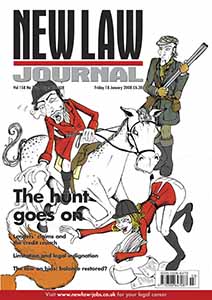
Is there any hope for campaigners who want to see the ban on hunting with dogs overthrown? Neil Parpworth reports
Tinkering with established exhumation procedures, could get the government into trouble, argue Steven Gallagher and Frederick Cosgrove-Gibson
Civil Enforcement of Parking Contraventions (Guidelines on Levels of Charges) (England) Order 2007 (SI 2007/3487)

MOVERS & SHAKERS


Clarke Willmott—Alexia Haines & Kelsey Wells
Clarke Willmott strengthens Birmingham private client team with double appointment

NLJ Career Profile: Hugo Plowman, Mishcon de Reya
From global fraud cases to fishing off-grid, Mishcon de Reya’s chair of dispute resolution Hugo Plowman discusses mentors, management switching off

Maguire Family Law—Jennifer Hudec, Ciara Florey, Alice Ferguson & Ruth Wynn
Maguire Family Law announces partner promotion and new hires amid a record year for enquiries

